


Annular Solar Eclipse 2027
On February 6, 2027, the Patagonian town of Esquel will become the epicenter of one…
Abanico aluvial (alluvial fan): a common geological formation at the Andean foothills created by river deposits.
Abasto rural (rural supply point): periodic provision of food and basic goods in isolated areas.
Abra (mountain pass): a natural corridor between mountains, key to ancient herding and migration routes.
Abrojo patagónico (Patagonian bur): a spiny plant adapted to arid soils (Xanthium spinosum).
Achicoria silvestre (wild chicory): an edible herb commonly found in abandoned fields and steppes.
Acoite patagónico (Patagonian acoite): a medicinal plant traditionally used by indigenous peoples.
Acuífero subterráneo (underground aquifer): a subsurface water reserve crucial in arid zones.
Acuicultura austral (southern aquaculture): cultivation of mollusks and fish in Chilean southern fjords.
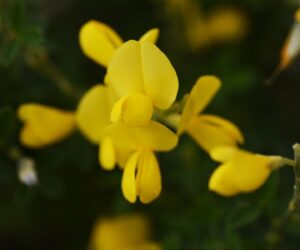
Adesmia (Adesmia): a genus of spiny shrubs with yellow flowers, adapted to dry climates.
Afloramiento (outcrop): an area where ancient rocks or fossils emerge, common in Santa Cruz and Neuquén.
Agachona chica (least seedsnipe): a terrestrial bird (Thinocorus rumicivorus) native to open Patagonian steppes.
Agente sanitario rural (rural health worker): a person responsible for providing basic medical care in isolated settlements.
Agrestes, ambientes (wilderness areas): uncultivated landscapes without urbanization, typical in Patagonia.
Aike (Aike): a Tehuelche word meaning “place” or “settlement,” found in many toponyms.
Ailín (Ailín): a Mapuche name meaning “forest clearing.”
Aillarehue (aillarehue): a territorial and social subdivision of the Mapuche people.
Alerce (Fitzroya cupressoides): is an evergreen conifer native to the temperate rainforests of Patagonia, prized for its remarkable lifespan (up to 3,600 years) and its dense, reddish, rot-resistant wood.
Alpataco (Prosopis alpataco): a spiny shrub adapted to arid and saline zones.
Alpino, clima (alpine climate): a high-mountain climate present in the Patagonian Andes.
Altiplanicie patagónica (Patagonian plateau): an extensive flat plateau interrupted by canyons.
Altitud (elevation): a key factor determining climate and vegetation in the western cordillera.
Aluminé (Aluminé): a town in Neuquén beside its eponymous river, surrounded by lakes and araucarias.
Amancay (amancay): a plant with yellow or red flowers (Alstroemeria aurea) typical of humid forests.
Amanita muscaria (fly agaric): a striking red-and-white toxic mushroom common under lenga and coihue.
Amarillento (yellowish soil): soil colored by high clay and oxide content, typical of some arid areas.
Ameghino, Florentino (Florentino Ameghino): an Argentine paleontologist who studied Patagonian fossils.
Ameghiniano (Ameghinian): a paleontological period defined by fossils found in the region.
Amigo puestero (ranch hand camaraderie): a social bond of solidarity among rural inhabitants.
Amniosaurio (amniote reptile): a Mesozoic-era reptile fossil found in Patagonian formations.
Amontonamiento glacial (glacial till): sediment deposits left by retreating glaciers.
Amparo mapuche (Mapuche legal protection): a legal mechanism safeguarding ancestral territorial rights.
Ampola de nieve (snow buttercup): the flower Ranunculus peduncularis, found in high-altitude meadows.
Ancestralidad (ancestral heritage): a key concept in indigenous territorial and cultural claims.
Andes patagónicos (Patagonian Andes): the southern segment of the Andes mountain range defining the region’s western boundary.
Andino (Andean): an adjective relating to the Cordillera; used for climate, wildlife, culture, and terrain.
Andino norpatagónico (norpatagonian Andean): a mixed mountain-and-forest ecosystem in Río Negro and Neuquén.
Andinismo (andinism): the sport and cultural practice of climbing peaks and trekking in the mountains.
Andrésito (Andrésito): a common name for various cordilleran frogs and toads.
Anfibia, fauna (amphibian fauna): the community of frogs, toads, and salamanders in humid mountain habitats.
Anfibolita (amphibolite): a type of metamorphic rock present in ancient geological zones of the region.
Ankylosaurus (Ankylosaurus): an armored dinosaur whose remains were found in Patagonian formations.
Anticlinal (anticline): a geological fold typical in the undulating relief of plateaus and hills.
Antifaz del chucao (chucao’s distress mark): the distinctive black facial band of the bird Scelorchilus rubecula.
Antilafkenche (Antilafkenche): a Mapuche group inhabiting coastal zones (“people of the sea”).
Antofagasta de la Sierra (Antofagasta de la Sierra): a region influencing routes southward, though outside core Patagonia.
Antuco (Antuco): a volcano and national park in Chile bordering northern Patagonia.
Anual, pastura (annual pasture): short-cycle vegetation typical of extensive grazing areas.
Aónikenk (Aónikenk): an indigenous people of southern Patagonia, also known as southern Tehuelches.
Aparejo (pack saddle): the load-bearing system used on mules or horses for expeditions.
Aparición de guanacos (guanaco migration): the seasonal phenomenon of large herds crossing routes.
Apellidos mapuches (Mapuche surnames): surnames such as Antiman, Aucapan, Ancalaf recorded in Patagonian censuses.
Arándano (calafate berry): the fruit of Vaccinium spp., valued for its tart flavor and antioxidant properties.
Araucana (Araucana): a chicken breed native to southern Chile, kept by rural communities.
Araucaria (monkey puzzle tree): Araucaria araucana, an ancient, sacred tree for the Mapuche people.
Arco iris doble (double rainbow): an atmospheric phenomenon often seen after storms in the Cordillera.
Área natural protegida (protected natural area): zones designated for biodiversity and heritage conservation.
Área restringida militar (military restricted area): southern sectors used for state exercises or logistics.
Arenisca patagónica (Patagonian sandstone): a sedimentary rock abundant in fossil-bearing formations.
Arenero (sand patch): loose, sandy soil typical of arid coastal zones.
Argentina austral (Argentine Patagonia): the southern portion of Argentina encompassing the Patagonian region.
Argentino, mar (Patagonian Sea): the body of water east of the territory vital for fishing.
Aridez (aridity): the characteristic of eastern Patagonian climate with scarce precipitation.
Ariete glacial (glacial push): the slow advance of ice in active Patagonian glaciers.
Armadillo (piche): several mammal species; notably the piche adapted to cold climates with key ecological roles.
Arrayán (Chilean myrtle): Luma apiculata, a native tree with reddish aromatic bark found in Andean Patagonian forests.
Arreo (cattle drive): the relocation of livestock, fundamental in Patagonian ranching.
Arrieros (drovers): workers responsible for herding animals in the mountain countryside.
Arrumaco del viento (wind’s caress): a local expression for intense winds that bend trees and structures.
Artemisia (Artemisia): a genus of aromatic plants found in Patagonian steppes, such as wormwood.
Artrópodos endémicos (endemic arthropods): insects and crustaceans unique to southern ecosystems.
Ascensión (ascent): the practice of mountaineering in Patagonian peaks.
Asentamiento rural disperso (dispersed rural settlement): a pattern of habitation in the Patagonian steppe.
Asociación indígena (indigenous association): organizations uniting communities to defend their rights.
Astillero artesanal (artisanal shipyard): workshops building small fishing or tourism boats.
Astronomía patagónica (Patagonian astronomy): the study of the southern sky from low-light-pollution areas.
Atacamita (atacamite): a mineral found in volcanic deposits of northern Patagonia.
Atajo (trail shortcut): rural paths that shorten distances between villages or estancias.
Atardecer fueguino (Fuegian sunset): prolonged reddish skies characteristic of Tierra del Fuego.
Auca Mahuida (Auca Mahuida): a protected area in Neuquén rich in wildlife and fossil remains.
Auca Saurus (Aucasaurus): a carnivorous dinosaur discovered in Neuquén.
Austroboletus spp. (Austroboletus spp.): a genus of mycorrhizal mushrooms associated with Nothofagus trees.
Austrocedrus chilensis (Chilean cedar): the scientific name of the Andean cypress.
Austral (southern): an adjective referring to the south; used in fauna, climate, and geography contexts.
Australopitecus patagonicus (Patagonian Australopithecus): a speculative name given to misinterpreted fossils in the 19th century.
Avistaje de fauna (wildlife watching): a key tourist activity in areas like Península Valdés.
Avutarda (bustard): large terrestrial birds such as the ruddy-headed goose or Darwin’s rhea.
Baeospora myosura (Baeospora myosura): a small conifer‐cone fungus found in southern Patagonian forests.
Bagual (feral horse): a once-domesticated horse turned wild; also used metaphorically for rebellious individuals.
Bahía (bay): a broad sea inlet along the coast, common on the Patagonian Atlantic shore.
Bahía Bustamante (Bustamante Bay): a coastal village in Chubut renowned for its rich marine biodiversity.
Bahía Camarones (Camarones Bay): a Chubut inlet famous for its large penguin colonies.
Bahía Dorada (Dorada Cove): a little-known cove in Río Negro with expansive sandy beaches.
Bahía Franklin (Franklin Bay): an inlet on Isla de los Estados, part of the Patagonian insular territory.
Bahía Gil (Gil Bay): a Santa Cruz cove notable for its diverse marine life.
Bahía Laura (Laura Bay): a protected coastal area in Chubut.
Bahía Lomas (Lomas Bay): a RAMSAR wetland in Chilean Tierra del Fuego, vital for migrating birds.
Bahía San Blas (San Blas Bay): a bay system on the Río Negro coast, known for artisanal fishing.
Bahía Tehuelche (Tehuelche Bay): a toponym honoring the region’s coastal indigenous peoples.
Bahía del Oso Marino (Sea Lion Bay): a zone near Península Valdés where sea lions congregate.
Bajada del Agrio (Agrio Slope): a Neuquén locality characterized by volcanic terrain and hot springs.
Bajo Caracoles (Caracoles Lowland): a remote spot in Santa Cruz on the legendary Route 40.
Bajo Cisnes (Cisnes Lowland): a lowland area in Aysén with wetland vegetation.
Bajo Hondo (Hondo Lowland): a locality in Santa Cruz known for its natural surroundings.
Bajo Palena (Palena Valley): a Chilean valley near the Palena River in northern Patagonia.
Bajo Pueyrredón (Pueyrredón Lowland): a scenic sector of Lake Pueyrredón in Santa Cruz.
Bajo Rincón (Rincón Lowland): a Neuquén settlement linked to rural activities.
Bajo Río Senguer (Río Senguer Lowland): a southern Chubut zone near the lower course of its namesake river.
Bajo San José (San José Lowland): a coastal area in Chubut important for marine wildlife conservation.
Bajo de Sarmiento (Sarmiento Depression): a geographic depression in Chubut rich in fossil deposits.
Bajo de la Leona (Leona Lowland): a Santa Cruz sector famed for its history and scenic beauty.
Bajo de los Baguales (Baguales Lowland): a region in Santa Cruz inhabited by wild fauna.
Bajo de los Chorrillos (Chorrillos Lowland): a Chubut area with striking geological formations and fossils.
Bajo de los Huesos (Bones Lowland): a Santa Cruz paleontological site with fossilized remains.
Bajo de los Perros (Dogs Lowland): a Río Negro area noted for its native wildlife.
Bajo de los Pozos (Wells Lowland): a Neuquén region with important underground water resources.
Bajo de los Quebrachos (Quebrachos Lowland): a Río Negro region characterized by its distinctive vegetation.
Bajo de los Zorros (Foxes Lowland): a Santa Cruz zone where native fox species are found.
Bajo del Águila (Eagle Lowland): a Chubut bird-watching area renowned for raptor sightings.
Bajo del Cañadón (Canyon Lowland): a Santa Cruz region marked by canyons and rock formations.
Bajo del Diablo (Devil’s Lowland): a Río Negro arid zone with dramatic geological features.
Bajo del Gato (Cat’s Lowland): a Chubut area rich in wildlife.
Bajo del Gualicho (Gualicho Lowland): a Río Negro salt flat noted for its biodiversity and landscapes.
Bajo del Guanaco (Guanaco Lowland): a Santa Cruz region populated by guanacos.
Bajo del Indio (Indian’s Lowland): a Río Negro zone with archaeological vestiges.
Bajo del Jagüel (Jagüel Lowland): a Neuquén area with springs and sedimentary formations.
Bajo del Sauce (Willow Lowland): a Santa Cruz zone dominated by poplars and willows.
Bajo del Tigre (Tiger Lowland): a Río Negro area known for its native fauna.
Bajo del Toro (Bull’s Lowland): a Santa Cruz region with unique geological structures.
Bajo del Véliz (Véliz Lowland): a Neuquén paleontological site recognized for its fossils.
Bajo del Venado (Deer Lowland): a Río Negro area where Patagonian deer are commonly seen.
Bajo Los Alazanes (Alazanes Lowland): a sparsely inhabited Patagonian site with livestock activity.
Ballena franca austral (southern right whale): a cetacean that visits Patagonian waters in winter and spring, protected and observed at Península Valdés.
Baluarte (stronghold): a high strategic point historically used for territorial surveillance.
Bandurria (black-faced ibis): a long-legged bird (Theristicus melanopis) common in steppes and wetlands.
Barbas de viejo (old man’s beard): hanging lichen found in humid Andean forests.
Barbo patagónico (Patagonian catfish): a freshwater fish (Diplomystes viedmensis) endemic to southern Patagonia.
Barda (escarpment): a ridge or terrace formation bordering plateaus or valleys.
Barda del Medio (Middle Ridge): an Alto Valle de Río Negro locality characterized by badlands terrain.
Barda norte (northern ridge): the northern edge of a valley or depression.
Barda sur (southern ridge): the southern edge of a valley or depression.
Bariloche, San Carlos de (Bariloche): an Andean tourist city and gateway to Nahuel Huapi National Park.
Barranca (cliff): a steep slope or riverbank found in canyons and water margins.
Barrancoso (Barrancoso River): a southern Santa Cruz tributary of Lake Buenos Aires.
Barrial (mudflat): a low area where water and clay accumulate, common in steppes and settlements.
Barril (barrel): a wooden container historically used to transport water, wine, or brine.
Barranco fósil (fossil cliff): a rock wall exposing fossils, typical in Santa Cruz.
Barro (mud): a mix of earth and water prevalent on Patagonian steppes after rains.
Barroco patagónico (Patagonian baroque): a cultural term describing stylistic blends in local architecture or art.
Barroso (clayey soil): soil with high clay content, challenging for travel when wet.
Barómetro (barometer): an instrument for measuring atmospheric pressure, vital in variable climates.
Barra de río (river bar): a fluvial formation at river mouths important for coastal dynamics.
Barco pesquero (fishing vessel): a boat used for artisanal or industrial fishing in the cold southern waters.
Bastón de trekking (trekking pole): a common gear for hikers on Patagonian trails.
Batidero de cóndores (condor gathering site): a mountain area where condors congregate.
Batracio (amphibian): frogs, toads, and salamanders inhabiting humid mountain environments.
Baquano/baqueano (guide): a skilled expert in rural or rugged terrain, a key figure in Patagonian culture.
Baqueanaje (wayfinding): the practice of navigation and guiding expeditions in the field.
Barlovento (windward side): the side of a mountain exposed to prevailing winds, influencing local climate.
Batea (washbasin): a rudimentary trough used to wash clothes or collect water.
Bibliomóvil (mobile library): a traveling library service bringing books to remote villages.
Bifaz (biface): a chipped stone tool commonly found at archaeological sites in the region.
Biguá (neotropic cormorant): an aquatic bird (Phalacrocorax brasilianus) frequenting lakes and rivers.
Bioespeleología (bio-speleology): the study of cave-dwelling organisms in parks like Los Alerces.
Biólogo de campo (field biologist): a professional studying flora and fauna in rugged in-situ environments.
Biombo climático (climate screen): a natural barrier that protects an area from neighboring climatic influences.
Bío Bío influence (Bío Bío influence): a cultural term referring to the Bío Bío region’s impact on northern Patagonia through migration and trade.
Bisonte fósil (fossil bison): an extinct species discovered in Pleistocene-era Patagonian sediments.
Bisporella citrina (lemon yellow disco fungus): a tiny yellow fungus growing on decaying wood.
Bivac (bivouac): an improvised campsite used in long-distance treks or mountain expeditions.
Blenio patagónico (Patagonian blenny): a cold-water rock fish endemic to southern waters.
Bocana (estuary mouth): a narrow opening connecting water bodies, common in coastal areas.
Boca del Chubut (Chubut River mouth): where the Chubut River meets the Atlantic Ocean.
Bofedal (high-altitude wetland): a wetland with cushion vegetation and rushes in Andean zones.
Boina (beret): a wool cap worn by gauchos and rural workers.
Boleadora (bola): a traditional indigenous and gaucho throwing weapon for hunting or herding.
Boletus loyo (loyo mushroom): an edible fungus native to southern Chile and Argentina, associated with oak and coihue forests.
Boliche (rural tavern): a rural store or bar serving as a key social hub for local communities.
Bolsón (fertile valley): a town and fertile valley in Río Negro province known for its strong cultural and agricultural identity.
Bongará (Bongará shrub): a medicinal Andean shrub adapted to cold climates, used by rural communities.
Botellón (water container): a large vessel for storing water or wine, commonly used on estancias.
Bote (small boat): a small vessel used on lakes, fjords, and rivers in Patagonia.
Bosque andino-patagónico (Andean Patagonian forest): a cold rainforest ecosystem covering parts of the southern Andes.
Bosque nativo (native forest): indigenous vegetation protected by law in the Patagonian region.
Bovino (cattle): bovines, an important part of the Patagonian rural economy.
Brava laguna (Brava Lagoon): a high-salinity lake in northern Patagonian desert areas.
Brezal (heathland): a shrubland dominated by heathers, rare but present in humid zones.
Bruma (mist): low-lying fog common in lacustrine or coastal areas, especially in autumn.
Bruzco (cold day): a local term describing cold, cloudy, and windy days.
Buceo turístico (tourist diving): recreational scuba or snorkeling in clear lakes or the southern Atlantic coast.
Buitre (vulture): a carrion-eating bird found in arid and mountainous Patagonian environments.
Buzo (insulated suit): a thick thermal suit worn to withstand Patagonia’s harsh climate.
Buenos Aires Chico (Buenos Aires Chico): a small Chilean village in Aysén near the Argentine border.
Caburé patagónico (Patagonian pygmy-owl): a nocturnal raptor native to the Andean Patagonian forest (Glaucidium nanum).
Cacique mapuche (Mapuche cacique): the political and spiritual leader of Mapuche communities, central to indigenous resistance.
Cachaña (Austral parakeet): Enicognathus ferrugineus, an endemic parrot species of Patagonia.
Cachiyuyo (saltbush): shrubs of the genus Atriplex adapted to saline and arid soils.
Caiquén (upland goose): Chloephaga picta, a wild goose common in steppes and wetlands.
Calafate (hard-hack shrub): Berberis microphylla, a spiny shrub with edible berries, symbol of Patagonia.
Calafatear (to caulk): to seal boats with pitch or grease, a traditional practice in Patagonian coastal areas.
Caleta Horno (Horno Cove): a rocky inlet on the Río Negro coast known for its rich marine biodiversity.
Caleta Olivia (Olivia Cove): a coastal city in Santa Cruz notable for its oil industry.
Caleta Tortel (Tortel Cove): a Chilean village in Aysén famed for its wooden walkways over fjords.
Caleta Valdés (Valdés Cove): a geographic feature in Península Valdés that serves as habitat for southern elephant seals.
Calostro (colostrum): the first milk produced by mammals, crucial for lamb rearing in sheep farming.
Camanchaca (coastal fog): the persistent sea mist of the South Pacific that influences Chilean Patagonian climate.
Camélidos sudamericanos (South American camelids): the group including native guanacos and vicuñas.
Caminata de travesía (trekking hike): a long-distance hike common in Patagonian steppes and mountain circuits.
Campamento base (base camp): a temporary facility for mountaineering or glacier expeditions.
Campesino trashumante (transhumant farmer): a rural producer who moves livestock seasonally.
Campo de Hielo Patagónico (Patagonian Ice Field): the vast glacier complex shared by Argentina and Chile.
Campo de lava (lava field): volcanic terrain found in areas such as Neuquén province.
Campo de tulipanes (tulip field): a floral attraction in Trevelin of Welsh heritage.
Candelaria (Candelaria): a town in Neuquén province near significant fossil deposits.
Canelillo (winter’s bark): Drimys winteri, a tree species of the southern temperate rainforests.
Cañadón (canyon): a narrow, deep valley typical of the Patagonian landscape.
Cañadón Escondido (Hidden Canyon): a protected area in Chubut with unique biodiversity.
Cañadón Seco (Dry Canyon): a Santa Cruz locality known for oil activity.
Caprino patagónico (Patagonian goat): a local goat breed adapted to arid regions.
Caranca (upland goose hybrid): Chloephaga hybrida, a waterfowl found along southern Chilean coasts.
Cardenal amarillo (yellow cardinal): Gubernatrix cristata, an endangered bird marginally present in Patagonia.
Cardonal (thorn scrubland): Mulinum spinosum shrub formations typical of the steppe.
Cardón patagónico (Patagonian cactus): local name for cacti adapted to dry southern climates.
Carpintero patagónico (Patagonian woodpecker): Picoides lignarius, a woodpecker common in Andean forests.
Carqueja (grey boxwood): Baccharis articulata, a medicinal shrub found in grasslands and hills.
Carretera Austral (Carretera Austral): the Chilean highway linking northern to southern Patagonia through fjords and mountains.
Cartografía patagónica (Patagonian cartography): maps detailing the region’s relief, routes, and boundaries.
Casamiquela, Rodolfo (Rodolfo Casamiquela): an archaeologist and historian key to Patagonian cultural studies.
Cascada Ñivinco (Ñivinco Falls): a waterfall in Nahuel Huapi National Park.
Castor canadiense (North American beaver): an invasive species in Tierra del Fuego altering local ecosystems.
Catriel (Catriel): a town in Río Negro province with a strong Mapuche presence.
Cautivo blanco (white captive): a 19th-century European raised among indigenous communities.
Caviahue (Caviahue): a thermal resort and ski center in Neuquén at the foot of Copahue volcano.
Ceferino Namuncurá (Ceferino Namuncurá): a beatified Mapuche-Argentine figure symbolizing cultural syncretism.
Cementerio de barcos (ships’ graveyard): the site in Puerto San Julián where stranded vessels rest.
Centro de interpretación (interpretive center): an educational space on local fauna, geology, or history.
Centolla (southern king crab): a prized crustacean of the Beagle Channel valued for its meat.
Cerro Avanzado (Cerro Avanzado): a geologic formation near Puerto Madryn rich in marine fossils.
Cerro Catedral (Cathedral Peak): an iconic mountain and ski resort near Bariloche.
Cerro Fitz Roy (Mount Fitz Roy): one of the most emblematic peaks of the Southern Andes.
Cerro Torre (Cerro Torre): a granite spire famous among climbers in the Southern Patagonian Ice Field.
Cerro Tronador (Mount Tronador): a glacier-capped volcano on the Río Negro–Chile border.
Chaltén: a mountain village in Santa Cruz, base for climbs of Fitz Roy and Torre.
Chaura (Chaura): Gaultheria mucronata, a native shrub with edible red berries.
Chacay (Chacay): a spiny shrub commonly found in dry Patagonian zones.
Chaltenense (Chaltén resident): the demonym for inhabitants of El Chaltén.
Chamanismo mapuche (Mapuche shamanism): ancestral spiritual practices of Mapuche healers (machis).
Chinchillón anaranjado (orange chinchilla): Lagidium wolffsohni, a rare Andean rodent in Patagonia.
Chingue (Patagonian hog-nosed skunk): Conepatus humboldtii, a native skunk species.
Chiquichano (Chiquichano): a Mapuche surname found in Chubut and Santa Cruz.
Choique (Darwin’s rhea): Rhea pennata, the Patagonian rhea, a flightless bird of the steppe.
Chorrillo del Salto (Salto Stream): a waterfall near El Chaltén popular with tourists.
Chubascos (squalls): intense, brief rains common in the Patagonian Andes.
Chubut (Chubut): the province in central Argentine Patagonia.
Chucao (chucao tapaculo): Scelorchilus rubecula, a forest bird of the Andean Patagonian woods.
Chulengo (young guanaco): the juvenile of the iconic Patagonian camelid.
Chusquea (Chusquea cane): bamboo-like grasses essential to Valdivian forest ecosystems.
Cielo austral (southern sky): the night sky of the southern hemisphere, significant in indigenous cosmology.
Ciénaga (marsh): a permanently wet area in arid landscapes that serves as wildlife refuge.
Ciervo colorado (red deer): non-native deer introduced from Europe; found in Andean-Patagonian forests and steppe ecotones; competes with huemul and can impact vegetation; also a game species.
Ciprés de la cordillera (Andean cypress): Austrocedrus chilensis, a native conifer of temperate forests.
Clavaria spp. (coral fungi): mushrooms with coral-like fruiting bodies on moist forest floors.
Climograma patagónico (Patagonian climograph): a graphic representation of the region’s dry, windy climate.
Cochrane (Cochrane): a town in Chile’s Aysén region near natural reserves.
Colihue (Chusquea cultrata bamboo): used by Mapuche peoples for spears and tools.
Colocolo (pampas cat): Leopardus colocola, a small wild cat also featured in Mapuche mythology.
Colonia Sarmiento (Sarmiento Colony): a town in Chubut with access to lakes and paleontological sites.
Comarca Andina (Andean region): a cultural area of towns between Chubut and Río Negro.
Cometocino (Patagonian seedeater): Phrygilus patagonicus, a small songbird common in woodlands.
Comodoro Rivadavia (Comodoro Rivadavia): the oil and industrial hub of Chubut province.
Cóndor andino (Andean condor): Vultur gryphus, the emblematic vulture of South America’s high mountains.
Confluencia (Confluence): where the Limay and Neuquén rivers meet to form the Río Negro.
Congelamiento (freeze): the climatic process of surface water turning to ice in autumn and winter.
Conguillío (Conguillío National Park): a Chilean reserve protecting ancient monkey-puzzle trees.
Cordero patagónico (Patagonian lamb): signature dish of Argentine Patagonia; pasture-raised lamb with tender, flavorful meat. Traditionally cooked “a la cruz” over slow wood fire for hours, seasoned simply with salt (and sometimes rosemary).
Cordillera Darwin (Darwin Range): a mountain chain in Chilean Tierra del Fuego.
Cordillera Patagónica (Patagonian Andes): the mountain system defining Patagonia’s western edge.
Cortinarius magellanicus (Magellanic webcap): a purple-hued mycorrhizal mushroom under lenga trees.
Cosecha de piñones (pine nut harvest): the gathering of Araucaria seeds in Mapuche tradition.
Coyhaique (Coyhaique): the administrative and cultural center of Chile’s Aysén region.
Cráneo de megaterio (giant sloth skull): a megatherium fossil found in Patagonian deposits.
Crepidotus spp. (Crepidotus mushrooms): saprotrophic fungi growing on decaying wood.
Criancero (small-stock herder): a caretaker of sheep and goats in mountain areas.
Cruz del Sur (Southern Cross): the constellation visible in Patagonia, used for navigation.
Cuaternario patagónico (Patagonian Quaternary): the geological era marked by successive glaciations and early human presence.
Cueva de las Manos (Cave of the Hands): an archaeological site in Santa Cruz with ancient rock art.
Cumbre (summit): the highest point of a mountain, a key goal in Andean climbs.
Cyttaria hariotii (llao-llao fungus): an edible fungus growing on Nothofagus branches, especially coihue.
Dacrymyces stillatus (yellow jelly fungus): a small yellow gelatinous fungus commonly found on fallen conifer cones in southern Patagonian forests.
Dársena (dock): a port facility area in coastal cities like Puerto Madryn and Comodoro Rivadavia.
Darwin, Charles (Charles Darwin): the naturalist who explored Patagonia aboard the HMS Beagle, documenting its fauna, geology, and fossils.
Darwinismo en la Patagonia (Darwinism in Patagonia): the influence of Darwin’s theories on the study of species and evolution in the region.
Datación por radiocarbono (radiocarbon dating): an archaeological method used at sites such as Cueva de las Manos.
Dátil de mar (sea date): an edible bivalve mollusk found on rocky southern Chilean coasts.
Debido proceso mapuche (Mapuche due process): a legal-cultural concept defending the ancestral rights of indigenous peoples.
Defensa del bosque nativo (native forest protection): an environmental movement combating deforestation in Andean-Patagonian woodlands.
Deforestación andino-patagónica (Andean-Patagonian deforestation): loss of forest cover due to fires, urbanization, and livestock grazing.
Deglaciación (deglaciation): the retreat of glaciers after the last ice age, responsible for forming current valleys and lakes.
Dehesa patagónica (Patagonian dehesa): open natural pastureland used for extensive grazing, typical of the steppe.
Degüello de los pueblos originarios (massacre of indigenous peoples): term referring to the killings during the Conquest of the Desert campaign.
Delantal de lana (wool apron): a traditional hand-knitted garment worn by Mapuche women in rural areas.
Delta del Coyle (Coyle Delta): a river system in Santa Cruz with channels and lagoons of high ecological value.
Demografía rural (rural demographics): the study of dispersed populations in fields, estancias, and remote settlements.
Depresión del Bajo de Sarmiento (Bajo de Sarmiento depression): an arid fossil-rich zone in Chubut known for paleontological finds.
Dermocybe spp. (Dermocybe mushrooms): brightly colored fungi found in native Patagonian forests.
Desafío de los Vientos (Winds Challenge): an adventure race traversing the rugged landscapes of Chubut.
Desborde glaciar (glacial outburst): an occasional flood event when a glacier blocks a river or lake, causing sudden overflow.
Desertificación (desertification): soil degradation process in steppe areas due to overgrazing and climate change.
Desierto Patagónico (Patagonian Desert): the arid region between the Andes and the Atlantic characterized by sparse vegetation.
Deslinde (boundary demarcation): the legal practice of marking land limits, common in rural and indigenous land disputes.
Desmembramiento de comunidades (community fragmentation): social and territorial division of indigenous groups by state policies.
Desmochado (coppicing): the traditional method of pruning native trees to harvest firewood without felling them.
Desove de salmónidos (salmonid spawning): the reproductive migration of introduced salmon and trout in Patagonian rivers.
Desplazamiento de guanacos (guanaco migration): the seasonal movement of these camelids searching for food across the steppe.
Desplazamiento forzado (forced displacement): the historical expulsion of indigenous peoples from southern lands in the 19th century.
Desvío Arijón (Arijón diversion): a locality in Santa Cruz near livestock and oil-related activities.
Detrito glacial (glacial debris): rock and sediment carried by glaciers, visible in moraines and terraces.
Día del Peón Rural (Rural Worker’s Day): a commemorative date honoring field workers celebrated in several Patagonian provinces.
Dibujo rupestre (rock art): cave and rock wall paintings found at archaeological sites across Patagonia.
Dicroísmo (dichroism): an optical phenomenon of certain Patagonian minerals changing color under different lighting.
Diente de sable (saber-toothed cat): Smilodon populator, a fossil felid discovered in Pleistocene strata of Patagonia.
Dignidad mapuche (Mapuche dignity): a concept emphasizing cultural respect and self-determination in ancestral territories.
Dinámica fluvial (fluvial dynamics): the study of Patagonian river systems and their impact on regional geography.
Dinosaurio patagónico (Patagonian dinosaur): giant fossil reptiles such as Argentinosaurus or Giganotosaurus unearthed in Neuquén and Chubut.
Diorama de fauna (fauna diorama): educational ecosystem displays in Patagonian museums showcasing regional wildlife.
Diprotodonte patagónico (Patagonian diprotodon): a marsupial fossil found in southern Argentine geological layers.
Discursos de soberanía (sovereignty narratives): political narratives concerning control of southern resources and territories.
Dispersión de semillas (seed dispersal): the ecological role of birds and mammals spreading plant seeds across forests and steppes.
Distancia austral (southern distance): the cultural and geographic perception of isolation in southernmost regions.
Distribución de piquillines (piquillines distribution): the spread pattern of the shrub Neltuma spp. across the Patagonian steppe.
Domo volcánico (volcanic dome): a geologic feature formed by viscous lava, present in areas like Copahue and Domuyo.
Don Bosco en la Patagonia (Don Bosco in Patagonia): the religious mission’s educational and social influence in rural communities.
Donación de tierras fiscales (public land grants): legal mechanism used in the 20th century to settle Patagonian territories.
Domo Blanco (White Dome): a volcanic structure in the Andes of Santa Cruz province.
Donoso, Mauricio (Mauricio Donoso): Chilean researcher specializing in anthropology of southern communities.
Dorsal montañosa (mountain ridge): a longitudinal alignment of peaks typical of the Patagonian Andes.
Dromiciops gliroides (monito del monte): a small marsupial endemic to southern temperate forests.
Duraznillo (calafate daisy): a shrub common in humid valleys, valued as livestock forage.
Durmiente de lenga (lenga railroad tie): Nothofagus pumilio timber used for railway sleepers in southern Argentina.
Ecorregión Patagónica (Patagonian ecoregion): an ecological unit characterized by steppe, dry climate, and adapted biodiversity.
Ecosistema andino-patagónico (Andean-Patagonian ecosystem): the assemblage of mountain, forest, and lake habitats in the cordillera zone.
Ecosistema de estepa (steppe ecosystem): the dominant biome in central and eastern Patagonia, featuring grasslands and xerophytic shrubs.
Ecosistema subantártico (subantarctic ecosystem): the humid transition zone between southern temperate forests and the Patagonian steppe.
Ecotono (ecotone): a transition strip between two ecosystems, common at the interface of Patagonian forest and steppe.
Edafología patagónica (Patagonian soil science): the study of the region’s fragile, arid soils, crucial for agriculture and conservation.
Edelweiss patagónica (Patagonian edelweiss): Leuceria achillaeoides, a high-mountain plant adapted to cold.
Efecto Föhn (Föhn effect): the warming and drying of air as it descends the leeward side of the Andes.
Ejido rural (rural commons): communal or peripheral lands around a settlement used for grazing.
Ejército de los Andes (Army of the Andes): the military force that crossed Andean sectors of Patagonia en route to Chile.
Ejercicio de soberanía (sovereignty exercise): state actions by Argentina or Chile to assert presence in remote southern areas.
El Bolsón (El Bolsón): a northwestern Patagonian town known for organic agriculture and alternative culture.
El Calafate (El Calafate): a tourist town near the Perito Moreno Glacier, gateway to Los Glaciares National Park.
El Chaltén: a mountain village in Santa Cruz, base for climbs of Fitz Roy and Torre.
El Escorial (El Escorial lava field): a solidified lava landscape near Caviahue, notable for volcanic features.
El Maitén (El Maitén): a town in northwest Chubut with railway heritage and Mapuche influence.
El Ñire (Ñire tree): a deciduous Nothofagus species found in southern temperate forests.
El Pedral (El Pedral reserve): a coastal reserve for penguins and sea lions in Chubut.
El Turbio (El Turbio): a coal-mining site and settlement in Santa Cruz.
Eloísa, cultura (Eloísa culture): a name assigned to human remains found in Fuegian caves.
Empanada de cordero (lamb empanada): a typical Patagonian dish combining creole and rural traditions.
Emprendimiento agroturístico (agritourism enterprise): a rural tourism activity integrating farm production and guest experiences.
Encierre (livestock roundup): the practice of gathering stock, common during sheep shearing and vaccinations.
Enfermedades zoonóticas (zoonotic diseases): animal-to-human illnesses monitored in rural zones.
Engorda a campo (grass-fed fattening): an extensive livestock production method characteristic of the steppe.
Engranpado de piños (pine nut crafting): a Mapuche artisanal technique for making tools from conifer seeds.
Ensenada (cove): a small sea or lake inlet between landmasses, frequent along Patagonian coasts.
Ensenada Zaratiegui (Zaratiegui Cove): a dock and viewpoint in Tierra del Fuego National Park.
Entierro indígena (indigenous burial): ancestral ritual practice evidenced in tumuli and archaeological sites.
Entoloma spp. (Entoloma mushrooms): a diverse genus with edible and toxic species in Patagonian woodlands.
Entresaca (thinning): a silvicultural practice of removing select trees to promote forest health.
Envoltorio de cuero (leather wrap): a traditional transport method used by Tehuelches and Mapuches.
Epifita austral (austral epiphyte): a non-parasitic plant like lichens and mosses growing on southern trees.
Epulafquén, lago (Lake Epulafquén): a deep Neuquén lake surrounded by forests.
Equinoccio austral (southern equinox): an astronomical event observed in open Patagonian landscapes, significant in indigenous calendars.
Equino patagónico (Patagonian horse): a cold-adapted, hardy breed used in rural tasks.
Eriazo (waste land): uncultivated, unproductive ground typical of the steppe.
Eriosoma lanigerum (woolly aphid): an insect often mistaken for cottony fungi on branches.
Erizo de mar austral (Patagonian sea urchin): an echinoderm found in cold waters of the southern Atlantic coast.
Erupción volcánica (volcanic eruption): a recurring geological event in Neuquén’s volcanoes and southern Chile.
Escarcha (frost): an ice layer formed by dew freezing on surfaces during cold Patagonian mornings.
Esfuerzo rural (rural effort): a concept recognizing the hard work of producers in challenging terrains.
Esmeralda patagónica (Patagonian hummingbird): Sephanoides sephanoides, a small hummingbird in humid zones.
Esparceta patagónica (Patagonian sainfoin): a forage plant used to enrich soils and feed livestock.
Espejo de agua (water mirror): a term for high-altitude lakes or lagoons.
Espina de choique (rhea spine): a fossil thorn misinterpreted, found in Santa Cruz strata.
Espinal (thorn scrub): a low-tree and shrub formation transitioning to steppe.
Espíritu del viento (spirit of the wind): a Mapuche mythological figure linked to Patagonian storms.
Esquila (shearing): the rural practice of clipping sheep fleece, central to steppe economies.
Esquila móvil (mobile shearing): a system for transporting shearing equipment to remote ranches.
Estaca (stake): a wooden tool for fencing or securing tents.
Estancia (ranch): a large rural estate typical of Patagonia, dedicated to sheep or cattle.
Estancia Harberton (Harberton Ranch): one of Tierra del Fuego’s first mission-founded ranches.
Estanciero (rancher): the owner of an estancia, a key figure in southern economic history.
Estepa patagónica (Patagonian steppe): the dominant ecosystem defined by aridity, wind, and low vegetation.
Esterilla (woolen blanket): a hand-woven wool mat used in estancias or as decorative bedding.
Estero (stream): a shallow watercourse common in Patagonian forested areas.
Estiércol ovino (sheep manure): a natural fertilizer used in northern Patagonian agriculture.
Estrategia de conservación (conservation strategy): management plans in national parks or protected areas.
Estrecho de Magallanes (Strait of Magellan): Chilean sea passage separating South America from Tierra del Fuego, linking the Atlantic and Pacific; a historic axis of southern Patagonia.
Estrella federal austral (federal southern star): a native plant with red flowers near rivers and lagoons.
Etapa cordillerana (cordilleran stage): a geological development phase of the Andes in Patagonia.
Etimología mapuche (Mapuche etymology): the study of indigenous toponymic word origins.
Etnobotánica mapuche (Mapuche ethnobotany): traditional knowledge of plant uses for medicine and ritual.
Etnografía patagónica (Patagonian ethnography): the cultural study of indigenous and immigrant groups in the south.
Etnia aonikenk (Aonikenk people): the indigenous group of southern Patagonia, also known as southern Tehuelches.
Etnia mapuche (Mapuche people): the native group in the Andean-Patagonian zone, with its own language and worldview.
Etnoturismo (ethnotourism): tourism that fosters respectful interaction with indigenous communities.
Eucalipto en Patagonia (Patagonian eucalyptus): exotic trees introduced for shelterbelts and firewood.
Euforbia (Euphorbia): a genus of native and introduced plants found in steppes and disturbed areas.
Eulogia (Eulogia): a traditional female name among Mapuche and creole communities.
Eustaquio, Lago (Lake Eustaquio): a southern lake historically used by indigenous peoples.
Evolución de la fauna (faunal evolution): paleontological studies key to understanding Mesozoic and Cenozoic deposits.
Exidia glandulosa (black jelly fungus): a gelatinous black fungus common on dead branches.
Explotación de turba (peat extraction): the industrial harvesting of bog peat in Fuegian wetlands.
Expedición de Musters (Musters expedition): the British explorer’s journey through Tehuelche territories in the 19th century.
Expedición de los Rifleros (Rifleros expedition): a 19th-century military campaign through Neuquén and Río Negro.
Expedición transcordillerana (transcordilleran expedition): a mountain crossing between Argentina and Chile.
Exposición rural patagónica (Patagonian rural fair): an event bringing together producers, ranchers, and artisans of the south.
Extinción del milodón (giant ground sloth extinction): the disappearance of this herbivorous megafauna roughly 10,000 years ago.
Facón (gaucho knife): a long knife used by gauchos and ranch hands in rural tasks and as a cultural symbol.
Fauna patagónica (Patagonian fauna): the assemblage of native species such as guanacos, rheas, foxes, condors, and whales.
Faro San Jorge (San Jorge Lighthouse): a nautical beacon near Comodoro Rivadavia guiding vessels along the Atlantic coast.
Faro del Fin del Mundo (End of the World Lighthouse): a historic lighthouse on Isla de los Estados immortalized by Jules Verne.
Faro Punta Delgada (Punta Delgada Lighthouse): a cliff-top beacon on Península Valdés, in a prime sea-lion watching area.
Faro Cabo Vírgenes (Cape Vírgenes Lighthouse): the southernmost lighthouse on the American continent, marking the start of Route 40.
Fasciola patagónica (Patagonian tinder fungus): a species of tinder fungus growing on fallen lenga or ñire wood.
Feria de productores (producers’ market): a regular market space where regional food and crafts are sold, as in El Bolsón.
Ferrocarril Patagónico (Patagonian Railway): the historic rail network that once connected northern Patagonian towns.
Ferrocarril La Trochita (Old Patagonian Railroad): a steam tourist train linking Esquel with El Maitén, a Patagonian icon.
Festoneado glacial (glacial scalloping): the undulating relief shaped by ancient ice movements.
Fiordo (fjord): a narrow, deep marine inlet between mountains, common along the Chilean Patagonian coast.
Fiordo Mitchell (Mitchell Fjord): a Chilean fjord hosting marine life and seabirds with minimal human impact.
Fiordo Aysén (Aysén Fjord): a biologically rich coastal inlet in Chile’s Aysén region.
Fiordo Quintupeu (Quintupeu Fjord): a historical canoe route used by indigenous Chono peoples.
Fiordos occidentales (western fjords): the network of deep Pacific inlets along southern Chile.
Fitz Roy, cerro (Mount Fitz Roy): the granite peak in Los Glaciares National Park, a mountaineering emblem.
Fitzroya cupressoides (Fitzroya cupressoides): the Patagonian larch, an ancient, endangered tree species.
Flamenco austral (southern flamingo): Phoenicopterus chilensis, a pink-plumaged wader in brackish lagoons.
Flecha tehuelche (Tehuelche arrow): the traditional hunting and defense weapon of indigenous peoples.
Flor de notro (notro flower): the red blossom of Embothrium coccineum, a floral emblem of southern Patagonia.
Flora nativa (native flora): the suite of plant species endemic to Patagonia, adapted to extreme conditions.
Folleto de interpretación (interpretive brochure): educational material on local flora, fauna, or geology in national parks.
Fongosis silvestre (wild fungal disease): fungal infections affecting crops or forests, monitored in rural zones.
Formación Baqueró (Baqueró Formation): a Cretaceous fossil-bearing geological unit in Santa Cruz.
Formación Candeleros (Candeleros Formation): a Neuquén fossil site where giants like Giganotosaurus were found.
Formación Los Molles (Los Molles Formation): a Jurassic marine fossil unit in Neuquén province.
Formación Río Negro (Río Negro Formation): fluvial deposits containing Pleistocene megafauna remains.
Formaciones basálticas (basaltic formations): volcanic plateaus such as Somuncurá or Payunia with basalt flows.
Fósiles patagónicos (Patagonian fossils): prehistoric remains of glyptodonts, megatheria, dinosaurs, and mollusks.
Fotoperíodo austral (austral photoperiod): the seasonal daylight cycle influencing reproduction in Patagonia’s wildlife and plants.
Fragua rural (rural forge): the blacksmith workshop on estancias where tools and equipment are made or repaired.
Frambuesa patagónica (Patagonian raspberry): an introduced berry cultivated in temperate Patagonia for its fruit.
Franja de ecotono (ecotone strip): the biodiversity-rich transition zone between forest and steppe.
Fray Mocho (Fray Mocho): the pen name of José S. Álvarez, a chronicler of Patagonian life.
Frazada de lana (wool blanket): a handcrafted wool throw used for bedding or decoration on estancias.
Freile, Esteban Lucas (Esteban Lucas Freile): the 19th-century explorer and military figure who mapped southern Patagonia.
Frente frío austral (austral cold front): a polar air mass causing snow, frost, and strong winds in southern regions.
Frente de glaciar (glacier front): the visible terminus of a glacier, as seen at Perito Moreno or Viedma.
Fresia, nombre mapuche (Fresia, Mapuche name): a common female given name among Patagonia’s indigenous communities.
Fresno austral (Patagonian ash): an introduced ash tree used as windbreaks or ornamentals on estancias.
Fringilo patagónico (Patagonian finch): small birds of the genus Phrygilus found in open and mountainous habitats.
Fronda de lenga (lenga canopy): the leafy overstory of Nothofagus pumilio forests in the high Andes.
Fructificación micorrízica (mycorrhizal fruiting): the symbiotic production of fungal fruit bodies in root associations.
Fruticultura patagónica (Patagonian fruit growing): the cultivation of fine fruits like cherries, raspberries, sour cherries, and apples.
Frutilla silvestre (wild strawberry): Fragaria chiloensis, the aromatic native strawberry of humid mountain clearings.
Frutos rojos patagónicos (Patagonian red berries): the group of native and naturalized berries such as calafate, maqui, rosehip, raspberry, and blueberry.
Fucsia austral (Patagonian fuchsia): Fuchsia magellanica, a hanging-flower shrub in wet southern areas.
Fuelle (bellows): the air-pump used in southern folk music and in rural blacksmith forges.
Fuerte Bulnes (Fort Bulnes): the 1843 historic Chilean settlement reconstruction at the Strait of Magellan.
Fusión de glaciares (glacier merging): the natural joining of ice masses under warming conditions, seen in Patagonia’s retreating ice fields.
Fuste de lenga (lenga timber): beams of coihue wood (Nothofagus pumilio) used in construction and rail ties.
Futaleufú (Futaleufú): the border town known for its crystal-clear river and world-class rafting.
Futrono (Futrono): a Mapuche-named Chilean town (“deep waters”), also the name of a northern Patagonian community.
Fuyu (Fuyu mushroom): an edible spring fungus found in humid forest zones of southern Patagonia.
Gales (Wales): country of origin for settlers who founded towns in Chubut from 1865, leaving a mark on Patagonian architecture, agriculture, and culture.
Gamasoidosis (gamasoidosis): infestation of mites in poultry, common on rural estancias.
Ganadería extensiva (extensive livestock farming): the predominant production system in the Patagonian steppe based on sheep and cattle.
Ganadería trashumante (transhumant livestock farming): the practice of moving livestock seasonally, common in mountainous areas.
Gamuza de guanaco (guanaco leather): tanned hide of the Patagonian camelid, used in rural clothing.
Gansos magallánicos (Magellanic geese): waterfowl of the genus Chloephaga, abundant in southern wetlands.
Garganta del Diablo (Devil’s Gorge): a geological feature where rivers carve narrow canyons, found in various towns.
Gavilán mixto (variable hawk): a raptor often seen in open areas of northern and central Patagonia.
Géiser del Tromen (Tromen Geyser): a hydrothermal feature near the Tromen volcano.
Generación de leña (firewood gathering): basic rural activity in Andean-Patagonian forests, linked to forest management.
Geoda patagónica (Patagonian geode): hollow mineral formation with crystals, found in volcanic regions.
Geofagia animal (geophagy): the consumption of soil minerals by guanacos or rheas.
Geografía de mesetas (plateau geography): the landscape of the central-northern plateau with terraced relief.
Geología andina (Andean geology): the study of the Patagonian Cordillera’s rock and volcanic formations.
Geoparque Bryn Gwyn (Bryn Gwyn Geopark): a paleontological and geological area near Gaiman with marine fossils.
Geranios silvestres (wild geraniums): flowering plants found in humid pastures of northwestern Patagonia.
Germoplasma criollo (criollo germplasm): the genetic heritage of animals adapted to the region’s harsh climate.
Giganotosaurus carolinii (Giganotosaurus carolinii): a giant carnivorous dinosaur discovered in Neuquén, one of the largest in the world.
Gimnocarpos (Gimnocarpos): fungi that produce spores without an external covering, found in the region’s moist soils.
Glaciar Perito Moreno (Perito Moreno Glacier): one of the most iconic glaciers in Los Glaciares National Park.
Glaciar Upsala (Upsala Glacier): a Patagonian glacier in retreat on the northwestern shore of Lake Argentino.
Glaciación patagónica (Patagonian glaciation): the historical advance of ice masses during the Pleistocene.
Glaciólogo (glaciologist): scientist who studies glaciers and ice dynamics; essential for monitoring the region.
Gliptodonte (glyptodont): an armored mammal fossil found in Pleistocene deposits in Patagonia.
GLOF (Glacial Lake Outburst Flood): an outburst flood caused by the sudden release of water from glacial lakes.
Gloeophyllum sepiarium (Gloeophyllum sepiarium): a wood-decay fungus found on dead lenga and cypress trunks.
Gobernador Gregores (Gobernador Gregores): a town in Santa Cruz on plateau routes.
Gorrión patagónico (Patagonian sparrow): Zonotrichia sparrow species found in open rural areas.
Granicera (hailstorm): an intense storm with hail, occasional in the northern Patagonian steppe.
Granito cordillerano (Cordilleran granite): igneous rock exposed in Andean peaks of Patagonia.
Greda (red clay): red clay used by indigenous peoples for pottery and pigments.
Greguería del viento (wind’s epigram): poetic expression referring to the persistent whistle of the austral wind.
Greta (Greta mushroom): a local name for small edible fungi in ñire undergrowth.
Griselinia patagónica (Patagonian griselinia): a glossy-leaf shrub common in Valdivian forests.
Gruta de Lourdes (Lourdes grotto): a Catholic shrine in Neuquén with strong rural devotion.
Guadaña rural (rural scythe): traditional grass-cutting tool used in productive valleys.
Guadal (Guadal): a town in Aysén on Lake General Carrera.
Guaduales australes (southern bamboo stands): patches of Chusquea cane on humid mountain slopes.
Guanaco (Guanaco): Lama guanicoe, the emblematic wild camelid of the Patagonian steppe.
Guanacóloga (guanaco researcher): a specialist studying guanaco behavior and conservation.
Guanacune (Guanacune): Mapuche term for a site frequented by guanacos.
Guano (guano): marine bird guano used as fertilizer in arid coastal zones.
Guardafauna (wildlife ranger): person responsible for caring for protected species and areas.
Guardaparque (park ranger): professional who patrols and educates in national parks.
Guarda de esquila (shearing overseer): worker in charge of counting and guarding sheep during shearing.
Guardián del glaciar (glacier guardian): symbolic figure or educational character at interpretation centers.
Guarida de zorro (fox den): a fox burrow in the banks of ravines, common in semi-arid areas.
Guerra del desierto (Desert Campaign): military campaign that established Argentine state control over indigenous southern territories.
Guitarra tehuelche (Tehuelche guitar): a string instrument adapted by rural musicians of the south.
Gulch (gulch): geological term for a deep erosional ravine common on Santa Cruz plateaus.
Gullich, Kurt (Kurt Gullich): pioneer of sport climbing in Argentine Patagonia.
Guñelve (Guñelve): a Mapuche symbol representing an eight-pointed star found on the ancestral flag.
Gurumelo austral (Patagonian agaricus): Agaricus patagonicus, an edible grassland mushroom.
Gusano de fuego (fireworm): the urticating larva of a moth found in lenga and ñire forests.
Hábitat andino-patagónico (Andean-Patagonian habitat): a high-mountain ecosystem of forests, lakes, and snow, home to species like the huemul deer.
Hábitat de estepa (steppe habitat): an arid region with low vegetation inhabited by guanacos, foxes, and rheas.
Haemanthus patagonicus (Patagonian bloodflower): a rare autumn-blooming bulb plant found in dry soils.
Hain (Selk’nam initiation ceremony): an elaborate coming-of-age ritual of the Selk’nam people in Tierra del Fuego.
Halo solar (sundog): an optical ring around the sun caused by ice crystals in the Patagonian sky.
Hámster de la Patagonia (Patagonian hamster): colloquial name for small native rodents such as the Patagonian mouse.
Harberton, Estancia (Harberton Ranch): the first European-descended estancia in Tierra del Fuego, founded by Anglican missionaries.
Harina de piñón (pine nut flour): a traditional Mapuche product made from ground Araucaria seeds.
Hediondo patagónico (Patagonian saltbush): Atriplex lampa, a strong-smelling shrub of the steppe used for forage.
Helada negra (black frost): a frost without visible ice crystals that damages crops in northern Patagonian valleys.
Helada temprana (early frost): a dangerous freeze event that threatens budding vines and cherries.
Helicóptero sanitario (medical helicopter): air transport used for medical emergencies in isolated rural areas.
Heliófito (heliophyte): a plant adapted to full sun exposure, common at the edge of forests and in the steppe.
Helmintiasis ovina (ovine helminthiasis): a parasitic disease affecting sheep, prevalent in humid fields.
Helmintos silvestres (wild helminths): parasitic worms monitored in Patagonia’s wild fauna studies.
Helvecia (Helvecia): name of Swiss-founded estancias and settlements in Neuquén and Río Negro.
Hemispingo patagónico (Patagonian tufted tit-spinetail): a small grayish bird inhabiting shrublands.
Hepáticas (liverworts): non-vascular plants colonizing logs and rocks in southern Patagonian forests.
Herbáceas nativas (native herbs): understory plants of Andean forests and high-altitude meadows.
Herbolaria mapuche (Mapuche herbalism): traditional knowledge of medicinal plants like mint, canelo, and paico.
Heredad rural (rural inheritance): the cultural and legal concept of land transmission in peasant and indigenous communities.
Hermita de Ceferino (Hermitage of Ceferino): a devotional site in Chimpay, birthplace of Blessed Ceferino Namuncurá.
Herradura de basalto (basalt horseshoe): a semicircular volcanic rock formation visible in canyons.
Herrería criolla (criollo blacksmithing): the on-site forge in estancias for toolmaking and horse shoeing.
Hibernación del piche (piche hibernation): the winter-burrowing behavior of Patagonian armadillos to conserve heat.
Hielero andino (ice cutter): a worker who harvested glacier ice blocks for commercial use.
Hielo continental (continental ice): the vast ice masses in southern Patagonia critical to the hydrological cycle.
Hielo patagónico norte (Northern Patagonian Ice Field): the less accessible sector between Aysén and Río Negro.
Hielo patagónico sur (Southern Patagonian Ice Field): one of the largest ice fields in the Southern Hemisphere, shared by Argentina and Chile.
Hielos milenarios (ancient ice): a poetic term for long-standing glaciers such as Viedma or Exploradores.
Higuerilla del monte (wild castor bean): a dry-area shrub used medicinally by indigenous peoples.
Hijuela de estancia (ranch subdivision): a parcel of land inherited or transferred within rural families.
Hilado a huso (spindle spinning): the traditional craft of spinning sheep’s or guanaco wool by hand.
Himantopus melanurus (black-winged stilt): a black-and-white wader common on Patagonian lagoons.
Historia oral tehuelche (Tehuelche oral history): ancestral narratives preserved by anthropologists and researchers.
Hito fronterizo (border marker): a signpost marking the Argentina–Chile boundary, often in mountain passes.
Hito XXIV (Landmark XXIV): an international border crossing between Santa Cruz and Chile’s Magallanes region.
Hito de Monte Aymond (Monte Aymond pass): a key frontier crossing to Punta Arenas from Río Gallegos.
Hombre de Pali Aike (Pali Aike Man): ancient human fossils found in volcanic caves, among the region’s oldest.
Hongo de lenga (lenga mushroom): various mycorrhizal fungi living symbiotically with Nothofagus pumilio.
Hongo de nieve (snow fungus): small reddish spring fungi (Scotiosphaera spp.) appearing on high-altitude snowfields.
Hongo de pino (pine mushroom): Suillus luteus, an edible mushroom under introduced pine plantations.
Hongo yesquero (tinder fungus): Fomes fomentarius, a trunk fungus once used as a natural fire starter.
Hongo en coirón (steppe mushroom): edible mycelium growing among grasses in humid steppe patches.
Honko (honko): a Mapuche word meaning “deep,” used in many lake and valley toponyms.
Hornero austral (Patagonian ovenbird): the mud-nesting furnariid bird common in northern steppe environments.
Hornerita (ovenbird nest): the characteristic clay nest built by the hornero.
Huaiquimil (Huaiquimil): a Mapuche surname prevalent in Neuquén communities.
Huairavo (whistling heron): Mapuche name for the black-crowned night heron (Nycticorax nycticorax).
Huaiquén (Huaiquén): a Mapuche toponym for high-altitude viewpoints or natural lookouts.
Huancache (salt pan): a seasonal salt flat found in northeastern Patagonia.
Huapi (island): a Mapuche term meaning “island,” present in place names like Nahuel Huapi.
Huarpeños australes (southern Huarpes): pre-Columbian migrations of Cuyo peoples into northern Patagonia.
Huellas fósiles (fossil tracks): preserved footprints such as those found in La Buitrera.
Huellas tehuelches (Tehuelche trails): historic pathways used by indigenous groups across the steppe.
Huemul (South Andean deer): Hippocamelus bisulcus, an endangered native deer and national symbol of Argentina.
Huemulera (huemul reserve): a protected area where huemul populations are conserved, e.g., Perito Moreno NP.
Huesera fósil (fossil bone bed): a site rich in megafauna bone concentrations.
Huillín (river otter): Lontra provocax, a rare freshwater otter protected in Andean forest waterways.
Huinca (non-indigenous): a Mapuche term for outsiders or colonial invaders.
Huincul (Huincul): a Mapuche word meaning “hillock” or “small hill,” used in place names like Plaza Huincul.
Humedal patagónico (Patagonian wetland): a critical ecosystem for migratory birds and water regulation.
Humita patagónica (Patagonian humita): a regional version of the traditional corn stew, used in festive meals.
Hunco (hunco): a marsh plant forming reed beds along lake and river shores.
Huraño (reclusive): adjective describing the solitary behavior of pumas, huemul, or other native animals.
Hurón patagónico (Patagonian weasel): Lyncodon patagonicus, a solitary nocturnal carnivore of semi-arid zones.
Huso de hilar (spinning spindle): a hand-held tool for spinning wool in Mapuche and rural crafts.
Huyliche (Huyliche): an austral branch of the Mapuche people inhabiting southern Chilean valleys and coasts.
Ibañez del Campo, Lago General (General Ibáñez Lake): a binational lake between Argentina and Chile with glacial origins and turquoise waters.
Ibanche (Ibanche): a Mapuche surname recorded in northwestern Patagonian communities.
Ibancheko (Ibancheko): an indigenous toponym variant associated with Andean valleys.
Iberá patagónico (Patagonian Iberá): an informal name for southern wetlands similar to the Corrientes system, but on a smaller scale.
Ibn-Battuta patagónico (Patagonian Ibn-Battuta): a nickname given to 19th-century traveling chroniclers who explored southern Patagonia.
Iceberg (iceberg): a floating block of glacier ice released into Patagonian lakes or the Southern Ocean.
Ichthyornis patagonicus (Ichthyornis patagonicus): a Cretaceous-era fossil bird with reptilian features found in Patagonian strata.
Icnitas (fossil tracks): preserved footprints of dinosaurs and other animals found in Patagonian sedimentary rocks.
Ictiofauna andino-patagónica (Andean-Patagonian ichthyofauna): the assemblage of native and introduced fish species inhabiting the region’s rivers and lakes.
Ictioarqueología (fish-bone archaeology): the discipline studying fish remains at pre-Hispanic indigenous sites.
Identidad huilliche (Huilliche identity): the cultural consciousness of the southern Mapuche group in contact with the sea and fjords.
Identidad patagónica (Patagonian identity): a socio-cultural construct rooted in isolation, nature, resilience, and intercultural exchange.
Iglesia de madera patagónica (Patagonian wooden church): a rural architectural style built with lenga, cypress, or coihue timber.
Ignimbrita (ignimbrite): a volcanic rock formed by pyroclastic deposits, common in western Patagonian formations.
Iguania patagonensis (Iguania patagonensis): a Paleogene lizard fossil discovered in the Koluel-Kaike Formation.
Iluminación solar austral (austral sunlight): the long daylight hours of Patagonian summers essential for valley agriculture.
Imán de bosque (forest magnet): a tourism term for the irresistible draw of southern Andean forests.
Impacto glacial (glacial impact): the climatic and geographic effects of glacier advance or retreat on soils, flora, and settlements.
Impatiens patagonica (Patagonian impatiens): a wildflower with yellow and pink blooms thriving in humid zones.
Impronta rural (rural imprint): the cultural legacy of agro-pastoral work in local architecture, knowledge, and language.
Inambú patagónico (Patagonian tinamou): a small terrestrial bird (Nothura maculosa) common in Patagonian steppes.
Inanición estacional (seasonal starvation): a natural phenomenon affecting wildlife during long winters due to food scarcity.
Incienso patagónico (Patagonian incense): local name for aromatic Artemisia used in smudging and rituals.
Incisión glaciar (glacial incision): the deep sculpting of the landscape by ancient glacier erosion.
Incursiones mapuches (Mapuche incursions): armed forays eastward during colonial and early republican eras.
Indap, Patagonia chilena (INDAP Chilean Patagonia): the Agricultural Development Institute supporting farmers and indigenous communities in the south.
Indicación geográfica patagónica (Patagonian geographical indication): an origin certification for products like wine, wool, and honey.
Indigeneidad (indigeneity): the concept reaffirming the ancestral character of Patagonian indigenous communities.
Indígena urbano (urban indigenous): members of native peoples living in cities such as Bariloche, Esquel, or Neuquén.
Industria lanera (wool industry): the historic economic sector based on sheep shearing, wool export, and textiles.
Indumentaria mapuche (Mapuche clothing): traditional garments with symbolic weaves, ponchos, sashes, and ritual ornaments.
Infauna patagónica (Patagonian infauna): organisms living buried in soils or lake and estuary sediments.
Influencia glaciar (glacial influence): the climatic and geographic impact of ice masses on the Andean-Patagonian environment.
Ingle (low saddle): a rural term for a low area between hills used as a livestock pass.
Inia geoffrensis austral (austral river dolphin): an outdated name for alleged “Tonina” dolphins in southern lakes.
Ingeniero Jacobacci (Engineer Jacobacci): a railway town in Río Negro, serving as a hub for paleontological and rural tourism.
Ingeniero Pallavicini (Engineer Pallavicini): a Santa Cruz locality linked to sheep-farming estancias.
Inselberg (inselberg): an isolated, prominent hill rising abruptly from the central Patagonian plains.
Insularidad fueguina (Fuegian insularity): the geographic and cultural isolation of Tierra del Fuego.
Inta Patagonia (INTA Patagonia): the Patagonia division of Argentina’s National Agricultural Technology Institute, with headquarters in Bariloche.
Interculturalidad (interculturality): a key policy concept in education and health for territories with indigenous presence.
Intermareal austral (austral intertidal zone): the coastal band where marine and terrestrial ecosystems interact, rich in biodiversity.
Interrupción fitogeográfica (phytogeographic break): a vegetation gap caused by barriers such as mountains or powerful rivers.
Invertebrados marinos australes (southern marine invertebrates): the group including mollusks, echinoderms, and annelids of southern coasts.
Invernada (wintering): the practice of sheltering livestock during extreme cold months, common in Andean foothills.
Invernáculo rural (rural greenhouse): a handmade structure protecting crops from the harsh cold.
Invernadero solar (solar greenhouse): a passive system harnessing solar radiation for small-scale southern agriculture.
Invierno patagónico (Patagonian winter): a long, harsh season with snow in the Andes and frost on the steppe.
Iodofórmico patagónico (Patagonian iodophor): an archaic term describing iodine or bromine deposits in sedimentary basins.
Iris patagonicus (Patagonian iris): a wild violet-petaled flower common in moist meadows.
Isla de los Pájaros (Bird Island): a wildlife reserve in Península Valdés known for seabird nesting.
Isla Grande de Tierra del Fuego (Big Island of Tierra del Fuego): the main island of the Fuegian archipelago, shared by Argentina and Chile.
Isla Huapi (Huapi Island): an island in Lake Nahuel Huapi, an important Mapuche ceremonial site.
Isla Victoria (Victoria Island): a forested island in Nahuel Huapi with trails and myrtle groves.
Islote Lobos (Otter Islet): a rocky islet on the Atlantic coast inhabited by sea lions.
Islote Tova (Tova Islet): a small islet near Camarones, part of a marine biodiversity reserve.
Isostasia (isostasy): the process of Earth’s crust rebounding vertically after glacial melting.
Itinerario paleontológico (paleontological itinerary): a tourist route highlighting fossil sites, museums, and interpretive trails.
Ixchelkayen (Ixchelkayen): a Tehuelche name meaning “valley of clear water,” identified with Valle del Chalía.
Jacinto patagónico (Patagonian bluebell): a wild violet- or pink-flowered plant growing in wetlands and forest edges.
Jacobacci, Ingeniero (Engineer Jacobacci): a railway town in Río Negro’s Línea Sur, a cultural and transport hub of the steppe.
Jabalí europeo (European wild boar): an invasive species present in forests and grasslands of northern Patagonia.
Jachallería austral (southern jachalla craft): indigenous-origin ceramics and textiles found in southern archaeological sites.
Jahuel mapuche (Mapuche water spirit): a water deity in Mapuche cosmology associated with hot springs and lagoons.
Jalca patagónica (Patagonian high meadow): an alpine grassland at elevation with low vegetation, akin to Andean páramo.
Jamón de cordero patagónico (Patagonian lamb ham): a traditional cured and smoked regional specialty.
Janquekura (Janquekura): a Mapuche toponym meaning “blue stone,” found in Neuquén.
Jarilla patagónica (Patagonian creosote bush): Larrea ameghinoi, a resinous shrub adapted to arid southern soils.
Jarillal (creosote scrub): a vegetation community of jarilla shrubs typical of semi-arid zones in Río Negro and Chubut.
Jarilla macho (male creosote): a medicinal variety of jarilla used in rural folk medicine.
Jarillón (shrub thicket): an accumulation of vegetation along watercourses or sandy areas.
Jarita (small jarilla): local name for various spiny shrubs of the Patagonian scrub.
Jaula trampa (trap cage): a device used to control predators such as pumas or foxes.
Jaulón de esquila (shearing pen): a temporary enclosure where sheep are gathered for shearing.
Jaulón sanitario (health pen): a holding area used during animal health campaigns for inspection and treatment.
Jauría rural (rural pack): groups of criollo dogs used for herding on Patagonian estancias.
Jauría de bardinos (bardino pack): mixed-breed dogs valued for their hardiness and guarding abilities.
Jauría cimarrona (feral dog pack): wild dog groups that threaten livestock in sparsely populated areas.
Jauría salvaje (wild hound problem): the ecological and social issue of abandoned dogs in rural zones.
Jazmín austral (Patagonian jasmine): Ribes magellanicum, a native shrub with showy flowers and edible berries.
Jeinimeni (Jeinimeni Reserve): a Chilean national reserve known for rock formations, rock art, and unique biodiversity.
Jilguerito patagónico (Patagonian warbler): a small melodic songbird found in shrublands.
Jilguero austral (Patagonian siskin): Spinus barbatus, a colorful finch common in gardens and forest edges.
Jilguero del monte (mountain siskin): a local finch species seen at forest–steppe ecotones.
Jilguero cordillerano (Andean siskin): an endemic finch of the Patagonian Andes.
Jineteada patagónica (Patagonian rodeo): a traditional equestrian competition at rural festivals.
Jinetero rural (rural horsebackman): an expert horseman skilled in herding, breaking, and ranch work.
Jobo patagónico (Patagonian hog plum): local name for an edible wild fruit in the El Bolsón area.
Jopo (spikelet): a spiky floral structure found in wild grasses like coirón.
Jorge, Cerro San (San Jorge Hill): a geological landmark near Comodoro Rivadavia of interest to geologists.
José Menéndez (José Menéndez): a 19th-century ranching magnate pivotal in Tierra del Fuego’s colonization.
Jote cabeza colorada (turkey vulture): Cathartes aura, a carrion bird common in steppes and mountains.
Jote cabeza negra (black vulture): Coragyps atratus, a less common scavenger observed in northern Patagonia.
Joya fósil (fossil gem): an informal term for exceptionally large or well-preserved paleontological finds.
Juan Fernández, alga roja (Juan Fernández red alga): a cold-water red seaweed used for alginate extraction.
Juan de la Piedra (Juan de la Piedra): a toponym linked to historic livestock routes in northern Chubut.
Juez de paz rural (rural justice of the peace): an official in small Patagonian villages handling local disputes.
Juglar patagónico (Patagonian minstrel): a folk singer or poet who shares local stories at gatherings.
Juguete mapuche (Mapuche toy): a handcrafted wooden or woven object used for education and ritual.
Junco patagónico (Patagonian bulrush): Schoenoplectus californicus, a wetland plant used for weaving baskets.
Juncal (rush thicket): dense vegetation along lake shores and marshy areas.
Juncal andino (Andean juncal): high-altitude riparian rush communities around mountain springs.
Juncales del lago Musters (Lake Musters rushlands): a critical migratory bird habitat in Chubut.
Junquillo austral (marsh rush): Juncus spp., common in moist valleys and meadows.
Jungla fría (cold jungle): a term describing the dense Valdivian temperate rainforests of southern Patagonia.
Jurasia patagonensis (Patagonian Jurassic fungus): a fossil fungus discovered in Jurassic-age strata.
Jurásico patagónico (Patagonian Jurassic): the geologic period when major dinosaur and primitive plant deposits formed.
Jurado indígena (indigenous jury): a proposed intercultural legal institution to recognize community rights.
Jurisdicción mapuche (Mapuche jurisdiction): a concept advocated for territorial and legal autonomy.
Justicia territorial (territorial justice): a notion combining environmental justice, ancestral rights, and equitable land distribution.
Justo José de Urquiza (Justo José de Urquiza): a historical figure whose colonization laws later influenced southern settlement.
Juventud mapuche (Mapuche youth): the active sector leading cultural, artistic, and territorial reclamation in urban and rural communities.
Kalku (Mapuche sorcerer): in Mapuche cosmology, a supernatural figure akin to a witch, wielding malevolent powers.
Kalafate (orthographic variant of calafate): an archaic Mapuche spelling for the spiny berry shrub Berberis microphylla, emblematic of southern Patagonia.
Kanel mapu (Land of the canelo): a modern Mapuche term denoting the ancestral territory where the canelo tree (Drimys winteri) thrives.
Kawiñ (Mapuche gathering): a traditional communal festival featuring dance, shared meals, and cultural exchange.
Kechua (archaic Quechua): an old colonial-era spelling for “Quechua,” referenced in documents on Andean migrations to Patagonia.
Keu ken (Aónikenk variant): a phonetic Mapuche variant of “Aónikenk,” the indigenous people of southern Patagonia.
Kiñe (one): the numeral “one” in Mapudungun, often incorporated into ceremonial names and rituals.
Kiñe ruka (one house): literally “one house” in Mapudungun, used to denote intercultural community centers or pilot projects.
Kimün (spiritual knowledge): deep ancestral wisdom in Mapuche thought, encompassing ecology, medicine, and cosmology.
Kimche (Mapuche mentor): a revered teacher or keeper of kimün, responsible for passing on cultural knowledge.
Kintrü (medicinal herb): a native Mapuche plant used in traditional remedies for digestive and respiratory ailments.
Kon (wind deity): a powerful spirit of the wind in Mapuche mythology, associated with storms and mountain climates.
Kona (Mapuche warrior): a historical and spiritual defender in Mapuche society, embodying courage and communal protection.
Kuchen: German-style fruit cake introduced by 19th-century German settlers in southern Chile, now a beloved Patagonian dessert.
Kutral (fire): the word for “fire” in Mapudungun, symbolizing purification and communal hearth in rituals.
Kutralwe (sacred hearth): the ceremonial fire pit at the heart of Mapuche rites, representing community and renewal.
Kuyen (moon): the lunar deity in Mapuche cosmology, a female figure governing cycles of life and harvest.
La Angostura (the narrows): a narrow geographic passage between bodies of water, found in places like Villa La Angostura.
La Hoya (La Hoya ski center): a ski resort in Chubut near Esquel, surrounded by Andean-Patagonian forest.
La Junta (La Junta): a Chilean town in Aysén where mountains meet the fjords.
Labranza patagónica (Patagonian minimum-tillage farming): an agricultural practice with minimal soil disturbance adapted to dry climates.
Lacustre (lacustrine): relating to lakes, commonly used to describe Patagonian ecosystems.
Lago Argentino (Argentino Lake): the largest glacial lake in Argentine Patagonia, located in Santa Cruz.
Lago Azul (Blue Lake): a body of water near Lago Puelo famous for its intense mineral-induced coloration.
Lago Blanco (White Lake): a cold-water lake in Tierra del Fuego, part of local wetland ecosystems.
Lago Buenos Aires / General Carrera (Buenos Aires Lake): a deep, binational glacial lake shared by Argentina and Chile.
Lago Cardiel (Cardiel Lake): an endorheic lake in Santa Cruz with semi-arid characteristics.
Lago Cholila (Cholila Lake): a lake in northwest Chubut framed by temperate forest and used for boating.
Lago Futalaufquen (Futalaufquén Lake): a landmark lake in Los Alerces National Park.
Lago Musters (Musters Lake): a southern Chubut lake important for water supply and biodiversity.
Lago Nahuel Huapi (Nahuel Huapi Lake): one of Patagonia’s most famous lakes, encircled by Bariloche and Villa La Angostura.
Lago Paimún (Paimún Arm): a glacial arm of Lago Huechulafquen, bordered by native forest.
Lago Puelo (Puelo Lake): a binational lake between Argentina and Chile in a glacial valley.
Lago Rivadavia (Rivadavia Lake): a clear-water Andean lake in Los Alerces National Park, Chubut.
Lago Roca (Roca Lake): a glacial lake in Los Glaciares National Park known for its scenic beauty.
Lago Viedma (Viedma Lake): a lake formed by the melting of the Viedma Glacier, south of Fitz Roy.
Lahaul (ancestral term): an old Mapuche word linked to smoke or vapor, used in ritual contexts.
Lahaulwe (ceremonial site): a ritual place marked by sacred stones and communal hearths.
Lahuán (Lahuan): the Mapuche name for the Patagonian larch (Fitzroya cupressoides), a sacred ancient tree.
Laiquén (Laiquén): a wild aromatic under-story plant with medicinal applications.
Las Lajas (Las Lajas): a Neuquén town near Cretaceous fossil-bearing rock formations.
Laja volcánica (volcanic flagstone): a durable volcanic rock used in traditional northern Patagonian construction.
Laminaria patagónica (Patagonian kelp): a brown marine alga from cold waters, used in food and cosmetics.
Lancha colectiva (collective boat): a vessel used for passenger transport on Andean lakes.
Landa (shrubland): low, dispersed shrub vegetation typical of pre-cordilleran zones.
Langostino austral (southern shrimp): Pleoticus muelleri, a crustacean central to Patagonia’s industrial fishery.
Lanquén (Lanquén): a Mapuche toponym meaning “small stream” or “thin water.”
Lanudo patagónico (Patagonian lanudo): a small native rodent with dense fur adapted to regional climates.
Lanudo fósil (fossil lanudo): Eucelophus, an extinct Miocene herbivorous mammal.
Lapa fueguina (Fuegian limpet): Nacella spp., a rock-adherent mollusk traditionally consumed by canoeing peoples.
Lapacho patagónico (Patagonian lapacho): a misapplied popular name for introduced trees resembling the native alerce.
Lapilli (lapilli): small volcanic rock fragments ejected during eruptions, abundant in Neuquén soils.
Lápis lazuli austral (Patagonian lapis lazuli): folkloric reference to blue stones found in Aysén.
Lara, Estancia (Lara Ranch): a centennial sheep ranch in Santa Cruz with historic significance.
Laráucano (Laráucano fungus): a lignicolous fungus fruiting on dead lenga and ñire wood.
Larrea ameghinoi (Larrea ameghinoi): the scientific name for a creosote shrub common in the steppe.
Larvas de escarabajo (beetle larvae): an essential ground-dwelling food source for wild birds.
Las Bayas (Las Bayas): a rural spot between El Maitén and Epuyén, part of a Mapuche biocultural corridor.
Las Grutas (Las Grutas): a Río Negro tourist town known for warm-water beaches and sea-cliff formations.
Las Horquetas (Las Horquetas): a Santa Cruz locality near fossil sites and historic cattle routes.
Las Plumas (Las Plumas): a town in the lower Chubut valley with strong sheep-farming traditions.
Lastre volcánico (volcanic ballast): lightweight volcanic ejecta found on plateaus like Lanín.
Latitud austral (southern latitude): the geographic coordinate key to southern climate and daylight patterns.
Laurelia sempervirens (Chilean laurel): a Valdivian forest tree prized for its timber and ornamental use.
Laureliopsis philippiana (tepa): a native wet-forest tree known locally as tepa.
Lautaro, volcán (Mount Lautaro): an active volcanic peak in the Southern Patagonian Ice Field.
Lautaro mapuche (Mapuche leader Lautaro): the historic warrior who resisted Spanish conquest, symbolizing Mapuche strength.
Lavado de lana (wool washing): the post-shearing process to clean sheep’s wool.
Lavarropas de batea (bathtub washer): a handcrafted method for washing clothes in rivers or wooden tubs.
Leña de lenga (lenga firewood): traditional fuel sourced from Nothofagus pumilio forests.
Leña seca (dry firewood): a valuable heating resource where natural gas is unavailable.
Lenga (lenga): Nothofagus pumilio, the dominant high-Andean tree essential to local ecology and economy.
Lengal (lenga forest): a dense woodland composed primarily of lenga trees.
Lengua glaciar (glacier tongue): the terminus of a glacier extending into a valley or lake.
Lengua mapuche (Mapudungun): the Mapuche language spoken by indigenous communities in Argentina and Chile.
Lenguado patagónico (Patagonian sole): a flatfish species caught in cold coastal waters and valued by artisanal fishers.
Lepidópteros australes (southern Lepidoptera): the butterflies and moths adapted to Patagonia’s cold environments.
Leptasthenura aegithaloides (tufted tit-spinetail): a common insectivorous bird of open and mountain habitats.
Letra mapuche (Mapuche orthography): the phonetic system adapted for writing the Mapudungun language.
Levadura de líquenes (lichen yeast): the symbiotic fungus-alga mix essential to nutrient-poor soils.
Leñador rural (rural lumberjack): a traditional woodcutter with local silvicultural expertise.
Levoncura (Levoncura): a Mapuche surname widespread in Río Negro and Neuquén communities.
Ley de bosques (Forest Law): Argentine legislation protecting native forest areas, including Patagonia.
Ley de emergencia climática (Climate Emergency Law): regulation addressing glacier and water resource protection.
Leyenda del Calafate (Legend of the calafate): a Patagonian myth about the plant and the fate of those who taste its berries.
Libación ritual (ritual libation): an ancestral Mapuche offering of liquids to the earth or spirits.
Licán (Lican): a Mapuche term meaning “rock” or “stone place,” found in many toponyms.
Licán Ray (Lican Ray): a Chilean town gateway to northern Patagonian volcanoes and lakes.
Lichen patagónico (barba de viejo): Usnea spp., hanging lichens indicating high air purity.
Lidar forestal (forest LiDAR): technology used to map lenga and coihue stands with high precision.
Liebre europea (European hare): Lepus europaeus, an introduced species abundant in steppes and fields.
Limpieza de cauces (watercourse clearing): community practice of maintaining rural canals and streams.
Línea Sur (Southern Line): the arid steppe region between the Andes and the Río Negro valley.
Linterna de petróleo (kerosene lantern): a traditional oil-fired lamp used in isolated rural areas.
Lirio de campo (field lily): a purple wildflower common in moist steppe patches.
Lista de especies vulnerables (vulnerable species list): the official catalog of at-risk Patagonia flora and fauna.
Literatura patagónica (Patagonian literature): works inspired by the region’s landscape, history, and life.
Llaima (Llaima Volcano): an active volcano in Chile’s La Araucanía region, north of Patagonia.
Llao llao (llao-llao fungus): Cyttaria hariotii, an edible orange-spherical fungus on ñire and cypress branches.
Llanura pedemontana (piedmont plain): relatively flat land at the Andean foothills used for grazing.
Llanquihue (Llanquihue): a lake and province in Chile’s humid Andean zone influencing northern Patagonia.
Lloica patagónica (Patagonian meadowlark): Sturnella loyca, a bright-breasted bird of open grasslands.
Lluvia ácida (acid rain): an environmental phenomenon monitored near industrial or volcanic areas.
Lluvia cordillerana (mountain rainfall): heavy precipitation on the Andes’ western slopes.
Lobera (sea lion rookery): a coastal gathering site for sea lion colonies, e.g., Península Valdés.
Lobo austral (southern fur seal): Arctocephalus australis, a smaller seal species with dense fur.
Lobo marino de un pelo (South American sea lion): Otaria flavescens, a common pinniped in Patagonian colonies.
Localismo léxico (lexical localism): the regional vocabulary of Patagonia, including Mapuche, criollo, and rural terms.
Locro patagónico (Patagonian locro): a regional stewed corn and lamb dish served at festive gatherings.
Logko (lonko variant): an alternate spelling for “lonko,” the Mapuche community leader.
Loica (long-tailed meadowlark): Leistes loyca, a red-breasted grassland songbird of open Patagonian plains.
Longko (Mapuche chief): a Mapuche authority figure equivalent to a cacique or principal chief.
Lonja de guanaco (guanaco hide strip): a cut of leather used in harnessing or rural apparel.
Lonquimay (Lonquimay): a Chilean border town with volcanoes, snow, and Pehuenche heritage.
Loro barranquero (burrowing parrot): Cyanoliseus patagonus, a parrot nesting in loess cliffs across Patagonia.
Lozano, Ramón (Ramón Lozano): a 19th-century Argentine naturalist who documented southern flora and fauna.
Luciérnaga patagónica (Patagonian firefly): a bioluminescent insect found in humid temperate forests.
Luga roja (red seaweed): Gigartina skottsbergii, a cold-water alga used for agar and medicinal applications.
Luma apiculata (Chilean myrtle): a native tree of the Andean forest known for its reddish bark.
Luma blanca (white myrtle): a less common Myrtaceae relative found in humid southern areas.
Lutita (shale): a fine-grained sedimentary rock common in Patagonia’s fossiliferous strata.
Lupino (lupine): Lupinus spp., an introduced nitrogen-fixing plant with showy flowers along roads and fields.
Maqui (Aristotelia chilensis): native shrub with deep-purple, highly antioxidant berries; important in Mapuche herbal medicine and culture.
Maquillaje ritual (ritual face paint): the use of natural pigments by indigenous peoples during ceremonies or hunting.
Mara (Patagonian mara): Dolichotis patagonum, a large herbivorous rodent endemic to the Patagonian steppe.
Marcación de ganado (livestock branding): the traditional practice of marking animals on estancias with a heated iron for identification.
Marcha blanca (gradual startup): a rural term for progressively commissioning a new machine or production method.
Marisma (salt marsh): a coastal wetland ecosystem with salt-tolerant vegetation, common in bays of Chubut and Río Negro.
Maritimea patagónica (Patagonian glasswort): a halophytic coastal plant species typical of saline shores.
Marmita glaciar (glacial pothole): a cylindrical rock hollow carved by swirling ice and sediment in Andean valleys.
Martin Pescador (Ringed Kingfisher): common along Patagonian rivers and lakes; perches on branches or boulders and plunge-dives for fish (sometimes crustaceans); loud, rattling call.
Maruchito (folk saint): a popular gaucho figure venerated by rural communities in northern Patagonia.
Maseta central patagónica (Patagonian central plateau): the dominant highland between the Andes and the ocean, with canyons and elevated plains.
Matacán (fortified wall): a defensive structure in 19th-century military outposts during southern campaigns.
Mate (yerba mate infusion): the traditional shared beverage consumed during rural work, gatherings, and fireside chats in Patagonia.
Mate cocido con leche (milk-steeped mate): a common cold-weather variant of mate enjoyed at country breakfasts.
Mateo patagónico (Patagonian milkcap): a spring-fruiting edible mushroom found under tussock grasses and shrubs.
Matrero (outlaw): a term for a rebellious person or animal in the countryside, celebrated as a symbol of autonomy.
Matrimonio comunitario (community marriage): a social practice among Mapuche and criollo families emphasizing territorial bonds.
Matriarcado huilliche (Huilliche matriarchy): the prominent role of women in cultural transmission within southern Chilean Mapuche communities.
Maullín (Maullín): a Chilean town and river near the northern edge of Patagonia, historically linked to the region.
Maullín, estuario de (Maullín estuary): a biodiverse coastal zone marking Patagonia’s northern marine boundary.
Mayeco (Mayeco): a Mapuche surname prevalent in Neuquén and southern Chile.
Mazorca patagónica (Patagonian corn ear): a cold-adapted maize cob cultivated in Andean microgardens.
Médano costero (coastal dune): sand formations along the Atlantic shores of Chubut and Río Negro.
Media res ovina (half-carcass lamb): a traditional butchery cut of lamb sold in rural town butcheries.
Medio mundo (half-world): a circular net used in artisanal fishing within Patagonian bays and estuaries.
Mehuín (Mehuín): a southern Chilean coastal town known for socio-environmental activism defending the sea.
Melífera patagónica (Patagonian honeyplant): a wildflower in steppe or forest whose nectar supports native beekeeping.
Meliloto (sweet clover): an introduced forage legume common on ranches in northern Patagonia.
Melina (Tilia): an aromatic introduced linden tree planted in the Valdivian forest for timber and ornamental use.
Meliñir (Meliñir): a Mapuche surname meaning “four places,” found in Río Negro and Neuquén.
Mellizo del viento (wind’s twin): a poetic expression likening the dancing rhea to a twin of the wind in the steppe.
Membrillar (quince orchard): the cultivation of quince trees in small farms of the lower Chubut valley.
Menucos (shallow lagoons): small or temporary ponds in low-lying areas serving as waterfowl refuges.
Mercado artesanal (artisan market): venues selling southern textiles, woodwork, ceramics, and regional foods.
Meridional (southern): an adjective relating to the south, used in geography, climate, and species distribution.
Merluza austral (Patagonian hake): the key fish species driving the southern Atlantic industrial fishery.
Merkén (Mapuche smoked chili): a traditional spice blend of smoked chili peppers, salt, and seeds.
Meseta patagónica (Patagonian plateau): a broad, flat geological formation with poor soils and eroded relief.
Meseta de Somuncurá (Somuncurá Plateau): a vast Río Negro highland with endemic biodiversity and Mapuche spiritual significance.
Meseta de Mármol (Marble Plateau): a geological formation in Aysén featuring turquoise caves and lakes.
Mesoceno (Miocene): the middle Cenozoic epoch between major dinosaur and modern mammal eras.
Mesofauna del suelo (soil mesofauna): insects and invertebrates vital for nutrient cycling in steppe and forest soils.
Mesotermal andino (Andean temperate climate): a climate type with cold winters and mild summers in mountain areas.
Meteorito patagónico (Patagonian meteorite): extraterrestrial rocks found in Santa Cruz and Neuquén deposits.
Metralleta criolla (criollo chatterbox): an ironic nickname for the ranch hand who talks endlessly at country fairs.
Metrografía austral (austral survey mapping): technical cartography for measuring glaciers, coasts, and international boundaries.
Meulen (warm dry wind): a traditional Mapuche term for a hot, dry wind believed to affect health and mood.
Meulén (Mapuche surname): a family name referring to the wind or spirit of the wind.
Miñche mapu (deep land): Mapudungun for “profound territory,” denoting sacred physical and spiritual spaces.
Mico fósil (fossil monkey): a rare Miocene primate fossil found in Patagonian strata.
Micología patagónica (Patagonian mycology): the study of native fungi, many edible or symbiotic.
Micorriza patagónica (Patagonian mycorrhiza): the symbiotic association between tree roots and soil fungi in cold forests.
Migración rural (rural migration): the movement of people between farms and towns seeking services and education.
Milodón (Mylodon darwini): an extinct giant ground sloth whose remains are found in caves of Santa Cruz and Chile.
Milodón gigante (giant milodon): the popular name for the megafaunal sloth fossil at Cueva del Milodón.
Milodón sudamericano (South American milodon): scientific genus of the large extinct Patagonian herbivore.
Milpa mapuche (Mapuche garden): traditional Andean-style kitchen garden cultivated by communities in Neuquén’s northwest.
Minga rural (community work): cooperative labor for construction or harvest, a living practice in southern Chile.
Minifundio (smallholdings): small land plots typical of Welsh colonies or Mapuche rural communities.
Miqui (term of endearment): a friendly greeting in Mapudungun.
Mirador de cóndores (condor lookout): an elevated vantage point for observing soaring condors in protected areas.
Mirador del Azul (Blue Viewpoint): a hill near El Bolsón overlooking the Río Azul and Mallín Ahogado valley.
Mirmecófagos fósiles (fossil ant-eaters): prehistoric insectivores found in Eocene strata of Patagonia.
Mirlo austral (Austral blackbird): a dark-plumaged songbird with a powerful call common in gardens and forests.
Mitre, Monte (Mount Mitre): the highest peak on the main island of Tierra del Fuego.
Mitología patagónica (Patagonian mythology): the body of legends, spiritual figures, and stories of indigenous and rural peoples.
Mixogenia climática (climate mix): the blend of oceanic and continental influences creating Patagonia’s unique climate.
Moat (Tierra del Fuego inlet): a channel or sea entrance in Tierra del Fuego used historically for navigation and settlement.
Modorra patagónica (Patagonian lethargy): a drowsy state ascribed to the wind, cold, and silence of the steppe.
Molle patagónico (Patagonian pepper tree): Schinus polygamus, a native tree with medicinal berries in dry valleys.
Moluscos australes (southern mollusks): coastal species like mussels, whelks, and limpets harvested by traditional fisheries.
Moluscos fósiles (fossil mollusks): marine shell remains from the Cretaceous and Paleogene in Chubut and Santa Cruz rocks.
Molusquería indígena (indigenous shell midden): archaeological shellfish refuse heaps and tools of canoeing peoples.
Momias patagónicas (Patagonian mummies): naturally mummified human remains preserved by the cold, dry climate.
Montado (mounted riding): the act of horseback riding, central to ranch work on estancias.
Monte León, Parque Nacional (Monte León NP): a coastal park of steppe, cliffs, and marine habitats in Santa Cruz.
Montura criolla (criollo saddle): the traditional leather tack and saddle set used for Patagonian riding.
Morilla (morel): Morchella spp., a prized spring mushroom found in moist cypress soil.
Morrena glaciar (glacial moraine): rocky debris deposited by ancient glaciers visible in mountain valleys.
Mosqueta (sweetbriar rose): Rosa rubiginosa, an introduced wild rose valued for its fruit and vitamin C.
Mosqueta negra (black rose hip): a local dark-fruited rose variety rich in antioxidants.
Mosqueta de sombra (shade rosehip): a humid-forest understory shrub used for medicinal infusions.
Mosquito patagónico (Patagonian mosquito): a biting insect prevalent along humid shores and riverbanks in summer.
Mote con huesillo patagónico (Patagonian mote con huesillo): a regional version of the Chilean summer drink of cooked wheat and peaches.
Mote mapuche (Mapuche mote): a boiled wheat dish served at traditional celebrations.
Muestra de esquila (shearing demonstration): cultural display of shearing skills at rural festivals.
Mulita patagónica (Patagonian little armadillo): Dasypus hybridus, a small armadillo of northern Patagonian steppes.
Multiespacio rural (rural community hub): a multifunctional center in interior towns serving as hall, dining area, and library.
Mundo mapuche (Mapuche world): the holistic concept encompassing language, territory, spirituality, and resistance.
Murga rural (rural street band): a carnival music ensemble performing in southern village festivals.
Murmullo del viento (wind’s whisper): a poetic expression in steppe legends and stories.
Murta (Chilean guava): Ugni molinae, a sweet red berry-bearing shrub prized in humid forests.
Murta blanca (white guava): a pale-fruited Ugni variety found in shaded woodland areas.
Murta negra (black guava): a dark-fruited wild berry used in homemade preserves.
Musgos epífitos (epiphytic mosses): bryophytes growing on branches in temperate rainforests, critical for water cycles.
Musgos del suelo (soil mosses): ground-cover mosses that retain moisture in high-altitude or transition ecosystems.
Muster, George (George Musters): a 19th-century British explorer who lived among the Tehuelche and left key chronicles.
Musters, Lago (Lake Musters): a southern Chubut lake fed by aquifers and a tributary of the Senguer River system.
Mutisia (climbing daisy): Mutisia decurrens, a native climber with pink to orange petals typical of Andean-Patagonia forests.
Nacimiento del río (river source): the spot where a river emerges, crucial for watersheds like the Futaleufú or Senguer.
Nadai (Nadai): a Mapuche term linked to flowing water, used in Neuquén toponyms.
Nalcahué (Nalcahué): a place name and Mapuche surname; often designates sites with water presence.
Ñandú patagónico (Darwin’s rhea): Rhea pennata, a native running bird symbolizing the Patagonian steppe.
Nanduco (small rhea nest): colloquial name for the Darwin’s rhea nest in open steppe.
Nanduera (rhea breeding ground): protected areas where rheas nest, regulated in rural zones.
Naufragio costero (coastal shipwreck): a common 19th–20th century event on southern shores; wrecks now historic heritage.
Navegación lacustre (lake navigation): the regular practice of sailing Andean lakes for tourism and subsistence.
Navidad rural (rural Christmas): a community holiday celebrated with shared meals in isolated settlements.
Neblina cordillerana (mountain mist): frequent fog along the Andes’ western slopes.
Nebulosa Austral (Magellanic Clouds): the astronomical name for the Magellanic Clouds, clearly visible in Patagonian skies.
Necochea austral (southern Necochea): reference to settlements founded by Atlantic southern migration waves.
Nehuén (Nehuén): a Mapuche word meaning “strength” or “vital energy,” present in names and rituals.
Nehuentué (Nehuentué): a Chilean coastal locality tied to Lafkenche Mapuche culture.
Neuquén (Neuquén): Argentine province at Patagonia’s northern edge, rich in paleontological and cultural heritage.
Neuquenia (Neuquenia): a fossil plant genus discovered in Mesozoic strata of the Neuquén Basin.
Nevada patagónica (Patagonian snowfall): a meteorological event common on mountain passes and plateaus in the south.
Nevazón (heavy snow): large accumulations of snow that hinder travel and affect livestock.
Nevazón histórica de 1995 (historic 1995 snowstorm): an extreme weather event that impacted much of Patagonia.
Nevados de Chillán (Chillán volcanic complex): the volcanic system at Patagonia’s northern macrozone limit.
Nevisca (snow flurry): light snow showers frequent in autumn and winter in the Andes.
Nicho ecológico (ecological niche): concept used in studies of species endemic to the region.
Nido de cóndor (condor nest): high cliff nests; a symbol of Andean wildlife.
Nido de teru teru (teru teru nest): ground hollows used by the teru teru bird in Patagonian steppe.
Niebla marina (sea fog): coastal fog common in bays of southern Chubut and Tierra del Fuego.
Nieve primaveral (spring snow): late-season snow that can delay forest budburst or damage crops.
Nieve seca (powder snow): low-moisture snow typical of cold, dry Patagonian climates.
Nivología patagónica (Patagonian snow science): the study of snow behavior, vital for climate, agriculture, and avalanche management.
Nivómetro rural (snow gauge): a rural or technical device for measuring snow accumulation.
Niyuque (Niyuque): an indigenous toponym referring to areas of subterranean water.
Noelia, Lago (Lake Noelia): a water body in southern Santa Cruz on remote trekking routes.
Nomadismo tehuelche (Tehuelche nomadism): ancestral lifestyle based on seasonal movements following wildlife.
Nómade moderno (modern nomad): contemporary travelers exploring Patagonia by bike, tent, or van.
Nombre mapuche (Mapuche name): a personal or geographic name derived from Mapudungun.
Nopal patagónico (Patagonian prickly pear): a cactus of arid zones adapted to cold, used in fencing and as forage.
Nopalera (prickly pear patch): clusters of cacti in sandy or saline soils of the northern steppe.
Norma forestal (forest regulation): legislation governing native forest use in the region.
Norpatagonia (Norpatagonia): the geographic area covering Argentine northern Patagonia and parts of southern Chile.
Nothofagus antarctica (ñire): the scientific name of the ñire, a key transitional forest tree.
Nothofagus dombeyi (coihue): the dominant tree in the Andean–Patagonian wet forests.
Nube lenticular (lenticular cloud): a lens-shaped cloud formation often seen above the Andes.
Nube de polvo (dust cloud): a common phenomenon in the wind-exposed steppe during dry summers.
Nudibranquios australes (southern nudibranchs): colorful sea slugs inhabiting the cold waters of the Beagle Channel.
Nudo cordillerano (mountain knot): the convergence zone of mountain ranges, e.g., the Neuquén–Mendoza divide.
Nudo de sogas (rope knot): a fundamental technique in rural life for securing loads, fences, and animals.
Nudos de árboles (tree knots): branching points affecting timber quality, monitored in productive forests.
Núñez, José María (José María Núñez): a pioneer farmer of the Alto Valle mentioned in early agricultural chronicles.
Nutrientes del lago (lake nutrients): organic matter from leaves and sediments that sustains lacustrine ecosystems.
Nutria patagónica (southern river otter): Lontra provocax, also called huillín, an endangered species in Andean waterways.
Nutrición rural (rural nutrition): a diet based on local products—lamb, grains, fruits, and natural forage.
Nutracéuticos naturales (natural nutraceuticals): health products made from native plants like maqui or calafate.
Ñaco (toasted flour): a wheat or corn flour toasted by indigenous and criollo peoples in Patagonia for long-lasting nourishment.
Ñandú (Darwin’s rhea): Rhea pennata, a large flightless bird of the Patagonian steppe, also known locally as choique.
Ñire (Antarctic beech): Nothofagus antarctica, a deciduous tree forming low forests in cold, dry Patagonian zones.
Ñireal (ñire woodland): a forest community dominated by ñire trees, crucial in the transition between forest and steppe.
Ñachi (coagulated blood dish): a traditional Mapuche preparation of lamb’s blood used in ceremonial feasts.
Ñamku (Mapuche sage): a spiritual healer and keeper of lawen (traditional medicine) and environmental knowledge.
Ñandubay patagónico (Patagonian ñandubay): a tree species appearing at the edge of thorn scrub and transitional forests.
Ñandutí del sur (southern ñandutí lace): fine artisan nets and lacework woven in rural Patagonian communities.
Ñancucheo (Ñancucheo): a common Mapuche surname found across northern Patagonia.
Ñancul (Ñancul): a Chilean town marking the boundary between Mapuche territory and the Patagonian region.
Ñandú fósil (fossil rhea): prehistoric remains of the genus Rhea uncovered in Pleistocene Patagonian deposits.
Ñire muerto (dead ñire forest): woodland areas dominated by fallen ñire trunks, essential habitat for fungi and birds.
Ñocha (fibrous plant): a wetland species used by Mapuche artisans for braiding ropes and crafts.
Ñollken (tranquil water): an indigenous toponym referring to calm waters or small lagoons in Patagonian valleys.
Ñongue (spring mushroom): an edible fungus that fruits under ñire trees in spring, used traditionally.
Ñuble, río (Ñuble River): a southern Chilean river that serves as an ecological boundary toward humid Patagonia.
Ñuque Mapu (Mother Earth): Mapudungun for the nourishing earth spirit central to Mapuche cosmology.
Ñuque ruka (earth house): a ceremonial lodge in Mapuche culture used for spiritual gatherings and rites.
Ñumpan (agricultural ceremony): a communal ritual marking key moments in the farming and spiritual cycle.
Ñuque lawen (earth medicine): natural remedies provided by the mother earth spirit, used in community healing.
Ñuque püllü (earth spirit): a female nature deity in Mapuche tradition representing fertility and life cycles.
Oasis patagónico (Patagonian oasis): a fertile area within arid zones, common in irrigated valleys like the Río Negro or Neuquén.
Oca patagónica (Patagonian oxalis): Oxalis enneaphylla, a wild plant with white or lilac edible flowers and tubers.
Ocultamiento cultural (cultural erasure): the process of making indigenous identities invisible in censuses and official narratives.
Ochenta, cordón de (Cordón del Ochenta): a secondary mountain range in Santa Cruz characterized by medium elevation and grasslands.
Ocotea patagónica (Patagonian laurel misnomer): an incorrect name used for introduced trees sometimes confused with native species.
Ofidio patagónico (Patagonian snake): Philodryas patagoniensis, a non-venomous serpent found in northern Patagonian arid zones.
Oficios rurales (rural trades): traditional field occupations such as shearer, fence-builder, woodcutter, mustanger, and guide.
Oficinas de esquila (shearing sheds): purpose-built barns where sheep are shorn on Patagonian estancias.
Ojo de agua (spring eye): a natural freshwater emergence in arid or plateau areas, vital for wildlife and settlers.
Ojos del Huecú (Huecú springs): volcanic springs in northern Neuquén that feed local streams.
Olga, Lago (Lake Olga): a remote Andean lake in Valdivian forest, noted for its clear waters.
Oligoceno patagónico (Patagonian Oligocene): the epoch rich in mammal and bird fossils found in Santa Cruz formations.
Olivillo (Patagonian ironwood): Aextoxicon punctatum, a Valdivian forest tree adapted to shade and moisture.
Olvido austral (southern oblivion): expression referring to the historic isolation of remote southern areas.
Olvido rural (rural abandonment): the gradual desertion of homesteads and estancias due to lack of services and connectivity.
Ombú patagónico (Patagonian ombú misnomer): a misapplied name for large introduced poplars or willows in cultivated areas.
Omnivoría (omnivory): the feeding behavior of species like foxes and vultures, key to the Patagonian food web.
Oncolito (oncolite): a rock formed by cyanobacterial accretion, found in fossil lakebeds.
Onelli, Lago (Lake Onelli): a glacial lake in Los Glaciares National Park fed by ice fields.
Onelli, Perito (Perito Onelli): the Italian-Argentine explorer who pioneered studies of southern flora, fauna, and geography.
Ongamira austral (southern Ongamira): a romantic name for deep valleys or canyons in southern Patagonia.
Onicóforo fósil (fossil onychophoran): a rare velvet worm fossil found in Paleozoic formations of Neuquén.
Operativo Leña (Firewood Operation): government campaigns supplying fuel in areas without natural gas access.
Opinión rural (rural voice): community sentiment expressed in meetings, work parties, or fairs in interior towns.
Opuntia patagónica (Patagonian prickly pear): a cold-adapted cactus with spiny fruit used as forage and fencing.
Oráculo del viento (wind oracle): poetic term for the sound of wind in trees or around rural homesteads.
Orca (killer whale): Orcinus orca, a cetacean seen off the Atlantic coast, especially at Península Valdés.
Orca varada (beached orca): a natural hunting strategy where orcas strand themselves to capture seal pups.
Orégano silvestre (wild oregano): a fragrant herb found on rocky slopes and used in rural cooking.
Oregon pine: North American conifer introduced in Patagonia for windbreaks and timber production.
Orgasmo del volcán (volcano’s climax): an artistic metaphor for the explosive eruption of active volcanoes like Hudson.
Organillero patagónico (Patagonian organ grinder): a traveling street musician performing with a hand-cranked organ in southern markets.
Oriente fueguino (Fuegian east): the eastern sector of Argentine Tierra del Fuego, characterized by steppe, sea, and oil fields.
Origen volcánico (volcanic origin): describes many Patagonian lakes, plateaus, and soils formed by volcanic activity.
Orilla de fiordo (fjord shore): the bank of a saltwater inlet surrounded by mountains on the Pacific austral coast.
Ornitofauna patagónica (Patagonian birdlife): the assemblage of species such as geese, flamingos, condors, and waterfowl.
Ornitología andino-patagónica (Andean-Patagonian ornithology): the scientific study of birds in southern mountain and steppe ecosystems.
Orquídea patagónica (Patagonian orchid): Chloraea magellanica, a delicate wildflower of wet southern forests.
Orografía del sur (southern orography): the description of mountain and plateau relief across Patagonia.
Orqueta (forked branch): a “Y”-shaped wooden tool or support used in rural tasks.
Ortiga patagónica (Patagonian nettle): Urtica magellanica, a stinging plant common in humid zones with medicinal uses.
Ortiguilla (Patagonian fiddleneck): Amsinckia calycina, a hairy herb with orange flowers that can irritate skin.
Ortodoncia rural (rural orthodontics): the limited dental service recently introduced in remote southern schools.
Orujo de manzana (apple pomace spirit): a distilled byproduct of cider production in fruit-growing valleys like El Hoyo.
Oscilación antártica (Antarctic Oscillation): a climate pattern influencing wind, precipitation, and temperatures in the austral region.
Osteodermo de gliptodonte (glyptodont osteoderm): the bony shell plate of extinct armored mammals found throughout Patagonia.
Otaria flavescens (South American sea lion): the scientific name for the most common sea lion along Patagonian coasts.
Otorgamiento de tierras (land grant): the historic legal process distributing state lands to settlers or companies.
Ovillo de lana (wool bundle): the homemade spool of spun wool ready for knitting or weaving.
Ovino patagónico (Patagonian sheep): sheep breeds adapted to the steppe, central to the southern wool economy.
Ovinos en trashumancia (transhumant sheep): the seasonal movement of smaller livestock to richer pastures.
Ovoparidad de peces (fish oviparity): the egg-laying reproductive mode of introduced trout and salmon.
Oxalis enneaphylla (chilean sorrel): the scientific name for the edible Patagonian oxalis, prized for its tangy tubers.
Oxígeno del lago (lake oxygen): a key ecological variable for aquatic species, influenced by temperature and depth.
Paine, Torres del (Torres del Paine): a Chilean granite massif renowned as one of the most iconic landscapes of Southern Patagonia.
Paisaje estepario (steppe landscape): an environment characterized by arid plains, low vegetation, and vast horizons.
Paisaje glaciario (glacial landscape): a geographic setting shaped by ancient glaciers, featuring lakes, valleys, and moraines.
Paja brava (feather grass): a hardy grass typical of the steppe, used as forage and soil cover.
Pailita (tin can pot): a metal container used for heating water or cooking in the field.
Paja de coirón (coirón grass): the dominant tussock grass of dry plateaus, food for guanacos and sheep.
Paleobotánica (paleobotany): the study of plant fossils, essential for reconstructing ancient Patagonian ecosystems.
Paleoclima patagónico (Patagonian paleoclimate): the ancient climate inferred from sediments, fossils, and glacial records.
Paleoesquina (traditional shearing technique): an experimental method reviving historical sheep-shearing practices.
Paleontología patagónica (Patagonian paleontology): the discipline studying emblematic fossils such as dinosaurs, glyptodonts, and ground sloths.
Palin (mapuche field hockey): a ceremonial Mapuche game similar to hockey, rich in community symbolism.
Pampa patagónica (Patagonian pampas): the flat or gently undulating region forming part of the steppe biome.
Pampeano austral (southern pampas): a cultural-historical adjective for communities in northeastern Patagonia.
Pan de indio (Cyttaria darwinii): an edible fungus (“Indian bread”) growing on lenga and ñire branches.
Pangui (puma): the Mapuche name for the puma, a sacred and powerful animal.
Panorámica austral (southern panorama): a tourist term referring to expansive mountain, lake, or sea views.
Pantano del sur (southern wetland): a submerged vegetation ecosystem, habitat for waterbirds and amphibians.
Papelón rural (rural grain pudding): a cooked grain mix served as breakfast or dessert in rural areas.
Papúa patagónica (Patagonian papua): an informal name for exotic-plumaged birds occasionally seen in wetland areas.
Paraje (rural settlement): a dispersed country settlement lacking formal town status.
Paraje El Manso (El Manso settlement): an Andean locality with strong rural community presence.
Paraje Fitalancao (Fitalancao settlement): a Mapuche-origin hamlet in northern Neuquén known for transhumant grazing.
Paraje Nahuel Niyeu (Nahuel Niyeu settlement): a rural community in Río Negro with indigenous roots.
Paralelo 42 (42nd parallel): a traditional geographic boundary between Río Negro and Chubut provinces.
Paralelo 52 (52nd parallel): a Patagonian climatic transition zone influenced by subpolar conditions.
Paralelo austral (southern parallel): coordinates used to define southern climates and solar cycles.
Parásito ovino (ovine parasite): an organism affecting sheep health with economic impact on estancias.
Parque eólico patagónico (Patagonian wind farm): wind energy installations in windy zones like Comodoro or Pico Truncado.
Parque Nacional Lago Puelo (Lago Puelo National Park): a protected area in Chubut featuring Valdivian forest and glacial lakes.
Parque Nacional Los Alerces (Los Alerces National Park): a UNESCO Biosphere Reserve in Chubut with ancient forests and crystal rivers.
Parque Nacional Los Glaciares (Los Glaciares National Park): a UNESCO site in Santa Cruz, home to Perito Moreno Glacier and Mount Fitz Roy.
Parque Nacional Nahuel Huapi (Nahuel Huapi National Park): Argentina’s first national park, with lakes, mountains, and endemic species.
Parque Nacional Perito Moreno (Perito Moreno National Park): a remote Santa Cruz park of steppe, lakes, and endangered huemul deer.
Parque Nacional Pumalín (Pumalín National Park): a Chilean reserve of temperate rainforest, lakes, and volcanoes.
Parque Pleistoceno (Pleistocene Park project): a conservation initiative proposing ecosystem restoration with large fauna.
Párvulo rural (rural preschooler): a child living in isolated rural zones, subject of adapted educational programs.
Pasaje Darwin (Darwin Passage): a water channel in southern Tierra del Fuego named after Charles Darwin.
Paso cordillerano (mountain pass): a route connecting Argentina and Chile, such as Cardenal Samoré or Icalma.
Paso de los Indios (Paso de los Indios): a Chubut locality linked to historic indigenous trails.
Paso internacional (international crossing): a road or waterway connecting countries, vital for Andean-Patagonian life.
Pasto amargo (bitter grass): a low-nutrient forage species common on degraded soils.
Pasto llorón (drooping grass): a grass that bends under dew or snow weight, frequent in wetlands.
Pasto puna (puna grass): a high-mountain grass crucial to camelid forage such as guanacos and vicuñas.
Patagón (Patagon): the historic name given by European explorers to the southern indigenous peoples.
Patagonia (Patagonia): the geographic region of southern South America shared by Argentina and Chile.
Patagonia Azul (Blue Patagonia): a marine biodiversity corridor between Chubut and Santa Cruz.
Patagonia Profunda (Deep Patagonia): a term for remote, sparsely populated, hard-to-access areas.
Patagonia Rebelde (Patagonian strikes, 1920–1921): name given to the rural workers’ strikes in Santa Cruz and their violent suppression; a landmark event in Patagonia’s social history.
Patagonia Verde (Green Patagonia): the humid Andean zone of Chubut and Aysén, with temperate rainforest.
Patagónido (patagonianid): a paleontological term for extinct endemic mammals of the region.
Patagopteryx (Patagopteryx): a fossil flightless bird discovered in Cretaceous strata of Santa Cruz.
Patagoraptor (Patagoraptor): a carnivorous dinosaur fossil found in the Bajo de la Carpa Formation.
Patagornis (Patagornis): a Miocene marine bird genus from southern South America.
Patagotas (rain dwellers): a nickname for people living under constant rain in southern Chile.
Patagüilla (Patagüilla): a native medicinal shrub of southern Chile used as a digestive.
Pategrillo (tuco-tuco): Ctenomys spp., a burrowing rodent common in soft northern Patagonian soils.
Patriarcado rural (rural patriarchy): the traditional power and inheritance structure in southern estancias.
Patrimonio mapuche (Mapuche heritage): the cultural, linguistic, and territorial assets of the Mapuche people.
Patrimonio paleontológico (paleontological heritage): fossil remains protected by law in the southern geological record.
Patrimonio rural (rural heritage): the traditional knowledge, tools, and architecture of Patagonian field life.
Pavimento volcánico (volcanic pavement): hardened lava surfaces in areas like Payunia or El Escorial.
Peatonalización rural (rural pedestrianization): trails designated for foot or horseback travel, especially in mountains.
Peña criolla (criollo gathering): a musical and gastronomic event celebrating rural identity.
Peje (small fish): colloquial name for small freshwater fish in southern rivers and lakes.
Pelada (bare hill): a treeless hill common in the steppe or wind-exposed zones.
Pelillo patagónico (Patagonian algae): a marine alga of ecological and economic importance on southern Chilean coasts.
Peludo patagónico (southern hairy armadillo): Chaetophractus villosus, a crepuscular armadillo of the steppe.
Peña mapuche (Mapuche gathering): a community event with music, poetry, and traditional dishes.
Pehuén (monkey puzzle tree): Araucaria araucana, a millennia-old sacred tree providing edible pine nuts.
Pehuenche (Pehuenche people): the Mapuche subgroup in the Cordillera, pine nut gatherers and hunters.
Peineta de plata (silver hair comb): a traditional Mapuche ceremonial ornament worn by women.
Pejerrey patagónico (Patagonian silverside): an introduced sport fish in Andean lakes.
Pelear contra el viento (to fight the wind): a popular expression about the harsh climate and life in the steppe.
Pellín (Patagonian oak): the Mapuche name for Nothofagus obliqua, a large temperate forest tree.
Pelo de zorro (fox hair grass): a soft-awned grass common in meadows and roadside verges.
Peluca del diablo (devil’s wig): a folk term for dry tumbleweeds rolling across the steppe.
Penacho de fuego (fire plume plant): a red-flowered shrub used for ornament and soil protection.
Peninsula Valdés (Valdés Peninsula): a UNESCO World Heritage marine biodiversity site in Chubut.
Peón rural (rural laborer): the essential farmhand on estancias performing livestock and field tasks.
Peperina patagónica (Patagonian peperina): a wild aromatic mint used as a digestive infusion.
Pequeño productor (smallholder): a farmer or shepherd with limited livestock or a small family plot.
Perdigón (shot/Patagonian quail): small lead shot used for small game hunting; also a local quail name.
Perforación somera (shallow well drilling): a technique for accessing groundwater in arid southern zones.
Perito Francisco Moreno (Perito Moreno): the Argentine explorer, scientist, and diplomat pivotal in creating national parks.
Permafrost (permafrost): a permanently frozen soil layer present in Patagonia’s high mountains.
Perro ovejero patagónico (Patagonian sheepdog): a local herding dog breed adapted to cold climates.
Perro bardino (bardino dog): a rural mixed-breed guard dog prized for loyalty on estancias.
Persecución indígena (indigenous persecution): the historic violence and dispossession against native peoples.
Perú austral (southern Peru): a symbolic term referring to Incan cultural remnants found in Andean Patagonia.
Pesca artesanal (artisanal fishing): the family-based fishery practiced in lakes, rivers, and coasts.
Pesca deportiva (sport fishing): regulated recreational fishing in Andean rivers and lakes.
Peste blanca (sheep plague): a 19th-century ovine disease that devastated regional flocks.
Petróleo patagónico (Patagonian oil): the key natural resource since the early 20th century underpinning cities like Comodoro Rivadavia.
Petroglifo (petroglyph): rock carvings by indigenous peoples found in canyons and hills.
Pewma (dream vision): a revelatory dream in Mapuche cosmology conveying spiritual messages.
Piche patagónico (Patagonian pichiy): Zaedyus pichiy, a small armadillo that curls partially to protect itself.
Pingüino de Magallanes (Magellanic penguin): Spheniscus magellanicus, a coastal nesting species emblematic of protected areas like Punta Tombo.
Pingüino de penacho amarillo (rockhopper penguin): Eudyptes chrysocome, a yellow-crested penguin breeding on southern Atlantic coasts.
Pino (pine): North American conifer introduced in Patagonia for windbreaks and timber production.
Plantas medicianles (medicinal plants): native and climate-adapted species in Patagonia used by indigenous and rural communities to treat ailments and promote wellness.
Postes (fence posts): wooden poles used for fencing estancias and smallholdings, defining the rural landscape.
Puerto Montt: port city in Chile’s Los Lagos Region, gateway to insular Patagonia.
Puma (cougar): Puma concolor, a stealthy, solitary felid inhabiting steppe, forest, and mountains; central to Mapuche culture.
Punta Tombo (Tombo Point): a Chubut reserve hosting the largest continental colony of Magellanic penguins; a key wildlife tourism site.
Quita pena (grief-remedy herb): a wild plant used in infusions, traditionally employed for its soothing medicinal properties in rural Patagonia.
Quebrada (ravine): a narrow, deep geographic gorge common in the Andean foothills and Patagonian plateaus.
Quebracho patagónico (Patagonian quebracho): a misapplied name for hardy species such as mayten or ñire, not true Aspidosperma quebracho.
Quebracho blanco austral (southern white quebracho): a local term for hardwood trees adapted to the dry Patagonian climate.
Quebrantahuesos patagónico (Patagonian “bone-breaker”): a colloquial name for certain raptors, though the European bearded vulture itself does not occur here.
Quechuismo (Quechua influence): the impact of the Quechua language on regional toponyms, customs, and adopted vocabulary in Andean Patagonia.
Queltehue (southern lapwing): Vanellus chilensis, a territorial wader frequently seen in open Patagonian fields.
Quemado de pasto (controlled grass burning): a traditional practice of renewing pasture soils, now regulated due to its environmental impact.
Quemazón (frost burn): damage to grasslands caused by intense frost or sun, also used to describe rural wildfires.
Quemchi (Quemchi): a town on Chiloé Island marking the cultural transition toward insular Patagonia.
Quena (Andean flute): a traditional wind instrument integral to both northern Andean and southern Patagonian folk music.
Querandí austral (southern “Querandí”): an inaccurate term for hunter-gatherer groups of the south; true Querandí did not occupy Patagonia.
Querencia (place of belonging): a cherished site of emotional attachment in rural life, deeply rooted in Patagonian identity.
Quetro (steamer-duck): a group of marine ducks (genus Tachyeres) unable to dive deeply, common along cold southern coasts.
Quetro común (common steamer-duck): Tachyeres patachonicus, a gray, flightless sea duck found on Patagonian shores.
Quetro volador (flying steamer-duck): a lighter relative with limited flight capability, occasionally seen in coastal lagoons.
Quila (Patagonian bamboo): Chusquea quila, a native bamboo species essential to Valdivian forests and traditional crafts.
Quillai (soapbark tree): Quillaja saponaria, a temperate-forest tree that produces natural saponins, marginally present in northern Patagonia.
Quinchamalí austral (southern rockfoil): a medicinal plant native to humid northern Patagonian valleys, valued in traditional remedies.
Quincho (thatched shelter): a rustic, branch-covered structure used for communal gatherings and outdoor cooking.
Quintral (parasitic mistletoe): Tristerix corymbosus, a bright-flowered parasite growing on lenga and coihue trees.
Quipu austral (southern quipu): a symbolic reference to ancestral knot-record systems or social network ties among southern indigenous communities.
Quirquincho fósil (fossil armadillo): remains of a large extinct armadillo genus found in Miocene strata across Patagonia.
Quirquincho patagónico (Patagonian armadillo): an informal name for the hairy armadillo (Chaetophractus villosus), noted for its burrowing habits.
Quisqueya austral (southern Quisqueya): a poetic term linking Patagonian indigenous cultures to those of the Caribbean (“Quisqueya”).
Quiste hidatídico (hydatid cyst): a parasitic disease common in Patagonian livestock areas, transmitted by dogs and affecting sheep.
Quivi patagónico (Patagonian saltbush): a resilient shrub adapted to saline soils, traditionally used in living fencing.
Aquí tienes el listado de términos con la letra R en el formato anterior:
Radal (Hairy lomatia): a native tree (Lomatia hirsuta) with lobed leaves, common in the humid forests of northern Patagonia.
Radal siete tazas (Seven-Cups Radal): popular name for sites where streams form natural pools (“cups”) and waterfalls along Patagonian ravines.
Rafaela austral (Southern Rafaela): an affectionate term honoring the hard work and resilience of rural women in southern Patagonia.
Rafia andina (Andean raffia): a strong plant fiber used traditionally to make ropes and woven goods in mountain communities.
Rama seca (Deadwood): naturally fallen dry branches, highly valued as firewood where gas lines don’t reach.
Rana patagónica (Patagonian frog): Atelognathus patagonicus, an endangered amphibian found only in seasonal high-altitude ponds.
Rastro fósil (Fossil track): preserved footprints or traces of ancient animals, abundant in Neuquén and Santa Cruz strata.
Rastro de guanaco (Guanaco trail): game paths carved out by generations of wild camelids crossing the steppe.
Rastrillaje de piños (Pine-nut gathering): the careful harvest of araucaria seeds (piñones) by Mapuche communities.
Raulí (Raulí): Nothofagus alpina, a deciduous tree of northern Patagonia prized for its valuable timber.
Raulí andino (Andean raulí): a venerable specimen of Nothofagus alpina used as a landmark on trekking routes.
Rayén (Rayén): a Mapuche feminine name meaning “flower,” widely used in southern communities.
Rayén mapu (“Land of flowers”): Mapudungun for flower-land, a common poetic toponym.
Rayos australes (Southern lightning): summer thunderstorms common in Patagonian mountain areas.
Raza criolla patagónica (Patagonian creole breed): local sheep and cattle breeds adapted to the cold, arid steppe.
Rebaño trashumante (Transhumant herd): livestock driven seasonally between summer and winter pastures.
Recolección ancestral (Ancestral gathering): indigenous practice of harvesting fruits, roots, mushrooms and herbs.
Reconversión ganadera (Livestock reconversion): a shift toward more sustainable or diversified ranching methods.
Recursero rural (Rural jack-of-all-trades): a versatile person skilled at solving problems in isolated settings.
Red de veranadas (Summer-pasture network): the system of seasonal grazing lands in Neuquén and Chubut.
Red eléctrica rural (Rural power grid): electricity infrastructure key to dispersed settlements, still under expansion.
Red ferroviaria patagónica (Patagonian railway network): once-extensive rail lines linking northern and central Patagonia, now partly tourist-run.
Reino Fungi patagónico (Patagonian Fungi kingdom): the assemblage of edible, medicinal and symbiotic mushrooms of the austral ecosystem.
Rejilla de arreo (Herding grid): structures used to channel sheep or goats during shearing and branding.
Relámpago austral (Austral lightning): the flash of summer storms in forest-steppe transition zones.
Relieve glaciario (Glacial relief): landscapes sculpted by past ice—lakes, cirques and moraines.
Relincho del bagual (Wild horse neigh): the symbolic sound of mustangs, associated with freedom and resistance.
Reloj de sol rural (Rural sundial): an artisanal timepiece used before electricity reached remote farms.
Remanso (River backwater): a calm river section ideal for fishing or wildlife rest.
Remate ganadero (Livestock auction): traditional animal sale events at rural fairs.
Renoval (Secondary regrowth): forests regrowing after fire or logging, common in humid areas.
Renovales de coihue (Coihue regrowth): spontaneous shoots of young trees after canopy loss in Nothofagus forests.
Reocupación indígena (Indigenous reoccupation): the modern return of Mapuche communities to ancestral lands.
Reserva de biósfera (Biosphere reserve): a UNESCO-recognized area combining biodiversity conservation with human activity.
Reserva costera (Coastal reserve): protected marine zones for ecological and breeding importance.
Reserva forestal (Forest reserve): zones designated for sustainable management of native forests.
Reserva natural urbana (Urban nature reserve): green protected spaces within or near cities like Bariloche or Trelew.
Resero patagónico (Patagonian drover): a mounted worker in charge of cattle drives, central to ranch life.
Resistencia mapuche (Mapuche resistance): historical and ongoing processes defending territory and culture.
Restinga (Intertidal rock platform): a rocky shore habitat of algae, mollusks and seabirds.
Restos de fogón (Hearth remains): archaeological evidence of human occupation in caves and rock shelters.
Restos fósiles (Fossil remains): protected material evidence of prehistoric organisms.
Reta patagónica (Patagonian challenge): a verbal contest or dare typical around fires or at fairs.
Reunión de comunidad (Community meeting): Mapuche assemblies to discuss territorial, political or spiritual matters.
Reutilización rural (Rural reuse): the common practice of repurposing materials for multiple uses on the land.
Rhea pennata (Darwin’s rhea): the scientific name of the Patagonian rhea, also called choique.
Ribera patagónica (Patagonian riverside): river or lake margins with adapted vegetation and recreational or productive use.
Ribereño (Riverside inhabitant): a person or ecosystem living along waterways.
Rica-rica (Rica-rica): Chiliotrichum diffusum, a wild aromatic shrub used in infusions in semi-arid zones.
Riego por acequia (Canal irrigation): ancestral irrigation channels still used in the Río Negro and Neuquén valleys.
Rincón de los Leones (“Lions’ Corner”): a common toponym in livestock areas where pumas dwell.
Rincón mapuche (“Mapuche Corner”): a popular place name for communities or ancestral areas.
Rinoceronte patagónico (Patagonian rhinoceros): Homalodotherium, a Miocene mammal fossil of the region.
Rio Carrenleufú (Carrenleufú River): a binational trout river vital for aquatic biodiversity.
Río Chimehuín (Chimehuín River): a famed sport-fishing river, tributary of the Limay.
Río Colorado (Colorado River): the northern geographic boundary of Argentine Patagonia.
Río Coyle (Coyle River): an archaeologically and historically significant river in Santa Cruz.
Río Deseado (Deseado River): an irregular-flow river with fossil canyons and a marine estuary.
Río Futaleufú (Futaleufú River): a renowned rafting river shared by Chile and Argentina with lush riparian forests.
Río Gallegos (Gallegos River): a major waterway and city center in Santa Cruz.
Río Grande (Grande River): a Fuegian city and key center for sheep farming and oil.
Río Limay (Limay River): a hydroelectric and scenic river in northern Patagonia.
Río Manso (Manso River): a sinuous waterway through forests and lakes ideal for adventure tourism.
Río Mayo (Mayo River): a river and town in southern Chubut important to ranching routes.
Río Negro (Negro River): the main river crossing the province of the same name, basis for irrigation and fruit growing.
Río Pico (Pico River): a mountain town and river feeding lakes, forests and border passes in Chubut.
Río Puelo (Puelo River): a green-water binational river draining forested, high-rainfall catchments.
Río Santa Cruz (Santa Cruz River): a glacial river crucial for hydroelectric power and regional ecology.
Río Senguer (Senguer River): a fundamental southern Chubut river fed by lakes Musters and Colhué Huapi.
Río Senguerr, Alto (Upper Senguer River): the headwaters region supporting mountain ranching and production.
Río Turbio (Turbio River): a mining town and river in southwestern Santa Cruz.
Río Valcheta (Valcheta River): a Río Negro steppe river with indigenous and rail-way history.
Río Villegas (Villegas River): a Limay tributary canyoned between peaks, part of trekking circuits.
Ritual chamánico (Shamanic ritual): spiritual healing and connection ceremonies in Mapuche and Huilliche communities.
Ritual del lawen (Lawen ritual): Mapuche ceremony for gathering and preparing traditional medicine.
Rocalla (Rocky outcrop): a natural stone formation used by wildlife as shelter or as ancestral ceremonial sites.
Rocío cordillerano (Mountain dew): morning moisture on plants, vital to the hydrological cycle.
Rodal de lenga (Lenga stand): dense clusters of Nothofagus pumilio trees valued for timber and biodiversity.
Rodocrosita (Rhodochrosite): the pink semi-precious stone found in Neuquén and Catamarca, linked to love legends.
Rodríguez, cerro (Mt. Rodríguez): an Andean peak near glacial lakes in Santa Cruz.
Rogativa (Supplication): a Mapuche ceremony to pray for rain, health or harmony with the land.
Rosa mosqueta (Rosehip): Rosa eglanteria, an invasive shrub with red fruits used in preserves and cosmetics.
Rosa negra (Black rose): dark rosette wood-decay fungus of the Andean-Patagonian forest. Ameghiniella australis decomposes dead wood and signals healthy ecosystems.
Rosetilla andina (Andean rosette): a perennial ground-hugging plant in high-altitude grasslands.
Rotación de pasturas (Pasture rotation): grazing management technique to conserve soils and improve productivity.
Rucachoroy (Rucachoroy): a lake and Mapuche community in northern Neuquén.
Ruca (Ruka): the traditional Mapuche house of wood, mud and grass, symbol of shelter and family.
Rucamalen (“Animal corral”): Mapudungun for livestock pen, seen in place names of estancias.
Ruka kimün (Ruka Kimün): an intercultural learning center rescuing Mapuche knowledge.
Runas (Runes): stone inscriptions sometimes misattributed to prehistoric Patagonian cultures.
Ruta 40 (Route 40): the legendary highway running north–south through Argentina, including all of Andean Patagonia.
Ruta de los Siete Lagos (Seven Lakes Route): a scenic circuit between San Martín de los Andes and Villa La Angostura.
Ruta de los pioneros (Pioneers’ Route): roads used by settlers, shepherds and indigenous peoples in southern settlement.
Rústico (Rustic): an adjective describing the adaptation of animals, buildings and people to the Patagonian environment.
Sabana patagónica (Patagonian savannah): an expanse of low vegetation in transition zones between steppe and forest.
Sabiduría mapuche (Mapuche wisdom): ancestral knowledge tied to land stewardship, natural medicine, cosmology, and community organization.
Sábalo austral (Austral shad): a native fish of southern lakes and rivers, less abundant than in Argentina’s north.
Sabandija (pest): a rural term for small, bothersome insects or animals common in field slang.
Sacha huasca (wild vine): a rare woodland climber found in humid Andes sectors.
Saco de arpillera (burlap sack): a jute bag historically used for harvests and rural transport.
Salicornia (glasswort): a salt-tolerant plant growing in coastal salt flats and marshes of the south.
Salinización (soil salinization): the buildup of salts in irrigated soils, common in arid valleys with poor water management.
Salar del Gualicho (Gualicho salt flat): an extensive saline plain in Río Negro of great ecological and tourism interest.
Salas, Diego (Diego Salas): a Jesuit chronicler who wrote about the life and customs of southern indigenous peoples.
Salitre (niter): a mineral in arid Patagonian soils, responsible for naturally low fertility.
Salmuera (brine): highly saline water extracted through mining or natural evaporation.
Salpicadura de mar (sea spray): saltwater droplets carried inland by strong coastal winds.
Salto del Agrio (Agrio waterfall): a cascade in Neuquén colored by volcanic minerals.
Salto Grande (Great Falls): a powerful waterfall on the Futaleufú River, a major tourist attraction.
Salvia patagónica (Patagonian sage): a wild aromatic plant used for tea and seasoning.
Samaniego, Paso (Samaniego Pass): a mountain border crossing between Neuquén and Chile.
Samka (Samka): a Mapuche term linked to smoke or vapor used in fire rituals.
San Antonio Oeste (San Antonio Oeste): a coastal city in Río Negro with a railway history and fishing industry.
San Carlos de Bariloche (Bariloche): an Andean tourist city and gateway to Nahuel Huapi National Park.
San Jorge, Golfo (San Jorge Gulf): a large Atlantic bay vital for fishing, oil, and marine biodiversity.
San Julián, Puerto (Puerto San Julián): the historic port where Magellan landed, now a heritage site.
San Martín de los Andes (San Martín de los Andes): a mountain town in Neuquén surrounded by lakes and forests.
Sangre de drago (dragon’s blood sap): tree resin used as a natural healing salve.
Sanidad animal (animal health): veterinary practices essential for sheep and cattle production in the south.
Santa Cruz (Santa Cruz Province): an Argentine province of steppe, Andes, and marine coastline.
Sapa (hand hoe): a manual farming tool used in family gardens and smallholdings.
Sapito patagónico (Patagonian toadlet): Alsodes spp., an endemic amphibian of high-altitude wetlands.
Sara patagónica (Patagonian saxifrage): a native herb with yellow flowers found in moist areas.
Sarampión ovino (ovine scab): an infectious sheep skin disease controlled by vaccination.
Sarriera (spur ridge): a knife-edge rock formation common in the southern Andes.
Sarriera de piedra pómez (pumice spur): a light-textured volcanic outcrop of pumice rock.
Sauce criollo (criollo willow): a riverside tree widespread on ranches and irrigation canals.
Sauce patagónico (Patagonian willow): a fast-growing native or introduced willow used as a windbreak.
Secano (dryland): rain-fed agricultural region without irrigation, common on plateaus and valleys.
Secuoya austral (southern sequoia misnomer): a misapplied name for large Valdivian forest trees like the alerce.
Segador rural (rural reaper): a person who hand-cuts grasses or cereals, a historic field role.
Segueta de monte (bush saw): a handmade saw blade affixed to wood, used for firewood cutting.
Sendero de Chile (Chile trail): a network of long-distance footpaths, some crossing Chilean Patagonia.
Sendero de los Arrayanes (Arrayanes trail): a scenic route in Los Arrayanes National Park.
Sendero de interpretación (interpretive trail): a signposted path with ecological or cultural information.
Sendero pehuenche (Pehuenche trail): a transhumant corridor used seasonally by mountain communities.
Senguer, Río (Senguer River): a key river in southern Chubut feeding lakes Musters and Colhué Huapi.
Sepulturas indígenas (indigenous burials): archaeological burial sites with grave goods in caves and mounds.
Sepulturas en mallín (wetland burials): Mapuche funeral practice in hidden marsh areas.
Sereno (overnight dew): nocturnal condensation important for pasture moisture.
Serpiente patagónica (Patagonian snake): cold-adapted, non-venomous snake species of arid landscapes.
Servidumbre de paso (right of way): a legal access route through private fields, often contested.
Sierra Colorada (Red Mountain Range): a Río Negro town and Mesozoic fossil-bearing geological formation.
Sierra Pailemán (Pailemán Range): low mountains in Río Negro with sea views and xeric vegetation.
Sierra de Mahuida (Mahuida Range): a mountain chain in northern Neuquén.
Sierra Grande (Sierra Grande): a mining town in Río Negro known for iron deposits.
Sílex patagónico (Patagonian flint): stone used by indigenous peoples to craft lithic tools.
Silencio patagónico (Patagonian silence): literary expression for the profound quiet of steppe and mountain.
Silvicultura andina (Andean forestry): sustainable management of lenga, ñire, and coihue forests.
Silvoagropecuaria (silvo-agro-pastoral): combined forestry, livestock, and crop activity in suitable zones.
Simún austral (austral sirocco): a strong, warm, dry wind occasionally recorded in arid steppe.
Sismo patagónico (Patagonian earthquake): infrequent seismic events associated with volcanic zones in northern Patagonia.
Sitio arqueológico (archaeological site): a location with protected evidence of ancient human occupation.
Sitio ceremonial mapuche (Mapuche ceremonial site): sacred outdoor spaces used for rogativas and spiritual gatherings.
Situm (Situm): a Mapudungun place-name element appearing in southern rural toponyms.
Sivarita (wood decay fungus): a wood-rotting fungus on fallen trees, not edible.
Sistema de mallines (wetland system): networks of natural marshes that act as freshwater reservoirs.
Sistema de trashumancia (transhumance system): a pastoral cycle based on seasonal livestock movement.
Sistema fluvial patagónico (Patagonian river system): networks of glacial and runoff rivers with high ecological value.
Sistema glaciario (glacial system): interconnected ice masses feeding lakes and rivers.
Sistema intermareal (intertidal system): the marine zone between tides hosting mussels, limpets, and algae.
Sitiado por el viento (“besieged by wind”): a metaphor for life exposed on the open steppe.
Soberanía territorial (territorial sovereignty): the right of indigenous peoples or communities to inhabit and manage ancestral lands.
Sociedad rural (rural society): an organization representing field producers, organizing exhibitions and fairs.
Socioecosistema (social-ecosystem): an analytical unit that integrates ecological and human factors.
Socorrista de montaña (mountain rescuer): a specialist in remote-area rescue supporting tourism and expeditions.
Soga patagónica (Patagonian rope): a hand-braided rope of leather or plant fiber essential for rural tasks.
Sol de medianoche (midnight sun): extended daylight near the poles during austral summer months.
Solapa de guanaco (guanaco blanket): a coat made from tanned guanaco hide traditionally used by indigenous peoples.
Soldadura rural (rural welding): the common trade for maintaining fences, mills, and tools on estancias.
Solifluxión (solifluction): the slow downhill flow of saturated soil, frequent in thaw zones.
Solsticio austral (austral solstice): an astronomical event observed in Mapuche traditions and archaeoastronomy.
Somuncurá, Meseta (Somuncurá Plateau): a vast Río Negro highland with endemic biodiversity and indigenous spiritual significance.
Sonajero mapuche (Mapuche rattle): a ceremonial instrument made of seeds and leather used in rituals.
Soplido del viento (wind’s breath): an expression evoking the constant whistling of Patagonian winds.
Sopón (thick soup): a hearty vegetable and meat stew typical of southern ranch kitchens.
Sorbus aucuparia (rowan): an introduced red-berry tree planted in cold urban areas.
Sorgo patagónico (Patagonian sorghum): an experimentally adapted crop in warm northern valleys.
Sotobosque andino (Andean understory): the low vegetation layer beneath coihue, lenga, or cypress canopies.
Suela de vaca (cow’s hoof fungus): a hard, shelf-like bracket fungus growing on dead trees.
Sueño del pehuén (pehuén dream): a Mapuche legend about the sacred origin of the monkey puzzle tree.
Sufrimiento de campo (field hardship): a colloquial expression for the rigors of rural work.
Suquía austral (austral stream): an old indigenous term for small waterways recorded in colonial archives.
Surazo (southerly wind): a strong, cold blast from the south that drops temperatures abruptly.
Sureño (southerner): a demonym and cultural adjective for inhabitants of Patagonia.
Suricata patagónica (Patagonian meerkat): an ironic term describing the attentive posture of the Patagonian fox.
Sustentabilidad rural (rural sustainability): a production model balancing economy, culture, and conservation.
Sustento de montaña (mountain sustenance): portable, high-energy food used by shepherds and hikers.
Sustrato volcánico (volcanic substrate): soil formed from ash or lava common in Andean zones.
Sustrato salino (saline substrate): soil with high salt concentration, typical of lowlands and wetlands.
Tabique de roca (Rock partition): a narrow natural rock formation that separates two canyons or valleys in the Andes.
Tablón de lenga (Lenga plank): sawn timber from the native Nothofagus pumilio, used in flooring, roofing and furniture.
Tacuaral (Colihue stand): a dense grouping of native Chusquea colihue bamboo in humid Andean forests.
Tagua tagua (White–winged coot): a waterbird of southern lagoons and wetlands, resembling a common coot.
Tahona patagónica (Patagonian millstone): a rudimentary stone mill historically used to grind cereals in rural areas.
Talud de bardas (Barda slope): a steep escarpment marking the edge of a plateau or valley.
Tambería mapuche (Mapuche sheepherd): a community space for raising and milk-processing small livestock.
Tamisa patagónica (Patagonian tamisa): a wild herbaceous plant thriving on sandy, moist soils.
Tantakuy (Community gathering): an indigenous assembly for dialogue and organization among southern pueblos.
Tapera (Abandoned hut): a deserted rural building, vestige of former settlements.
Tapiz vegetal (Plant cover): the layer of herbs and shrubs carpeting the soil in arid and grassland zones.
Tarántula patagónica (Patagonian tarantula): a large non-venomous spider found on arid, rocky terrain.
Tararira austral (Patagonian trahira): a predatory fish of lagoons and rivers in northern Patagonia.
Tarifa rural (Rural rate structure): a cost system adapted to low-density population contexts.
Tariqueto (Tariqueto): a small songbird inhabiting Patagonian scrubland and grasslands.
Tasa de deforestación (Deforestation rate): the metric measuring native forest loss in timber-harvest areas.
Tasa de desertificación (Desertification rate): an environmental indicator of soil degradation advancing in the steppe.
Tasca criolla (Criollo tavern): a small rural bar serving food, drinks and live music.
Tatay, viento (Tatay wind spirit): in Mapuche tradition, the wind’s spirit manifesting voice and presence.
Tatu fósil (Fossil armadillo): an extinct Pleistocene mammal similar to modern armadillos.
Tatuajes de campo (Field tattoos): symbolic carvings made by ranch hands and herders on wood or rock.
Tauca (Tauca shrub): a hardy woody plant of arid Patagonian landscapes.
Techo de coirón (Coirón thatch): traditional shelter roofing made from native tussock grasses.
Tecu (Tecu): a traditional land-area measure used in indigenous communal systems.
Tehuelche (Tehuelche): the indigenous people of southern Argentina, ancestral inhabitants of the steppe and foothills.
Tehuelches septentrionales (Northern Tehuelches): the group who inhabited northern Patagonia before Mapuche expansion.
Tejido mapuche (Mapuche weaving): symbolic textile art woven on looms and passed down generations.
Tejido de bastidor (Frame weaving): an artisanal technique for making blankets, ponchos and belts.
Télico, río (Telico River): a seasonal or intermittent watercourse in Patagonian drylands.
Telar witral (Witral loom): the traditional wooden loom fundamental to Mapuche textile culture.
Témpano (Iceberg): a floating block of glacier ice, such as those calved from Perito Moreno.
Temporada de esquila (Shearing season): the annual sheep shearing period, usually October to December.
Temporales del sur (Southern storms): intense coastal storms with high winds, rain and waves.
Tenedor criollo (Criollo fork): a traditional metal or bone fork used in rural hearth cooking.
Tenencia comunitaria (Community land tenure): the legal form of collective land ownership among indigenous communities.
Tente en pie (Stand-up breakfast): a rural morning meal of bread, fat, mate and simple accompaniments.
Tepual (Tepual forest): a dense Valdivian rainforest with muddy soils on Chilean Patagonia’s western slopes.
Tepualia stipularis (Tepualia stipularis): a tree native to austral rainforests in the Valdivian ecozone.
Tephra (Volcanic ash): airborne pyroclastic material critical to Andean soil fertility and stratigraphy.
Terciario patagónico (Patagonian Tertiary): the geological epoch rich in mammal and bird fossils.
Tereré patagónico (Patagonian tereré): a local cold-mate infusion popular during hot summers.
Terracita (Little terrace): a step-like geological formation on valley walls and riverbanks.
Terraplén rural (Rural embankment): an artificial earthwork built for roads or flood defense.
Territorio lafkenche (Lafkenche territory): the traditional coastal lands of the sea-dwelling Mapuche.
Territorio mapuche (Mapuche territory): the physical, cultural and spiritual lands claimed by southern communities.
Territorio tehuelche (Tehuelche territory): the historic lands occupied by southern Tehuelche peoples.
Tero (southern lapwing): highly territorial wader of Patagonian grasslands and lake/river shores; gives loud alarm calls and low swoops to defend ground nests.
Teru-teru (Southern lapwing): Vanellus chilensis, a territorial wader common in open fields and marsh edges.
Tesoro fósil (Fossil treasure): a term celebrating exceptional paleontological findings in Patagonia.
Tesoros rurales (Rural treasures): traditional knowledge, tools and stories preserved in homesteads and estancias.
Tetera de campamento (Camp kettle): an iron pot used over open fires for boiling water on treks.
Teyu patagónico (Patagonian Teyu): a fossil reptile discovered in Cretaceous strata of Neuquén.
Tierra del Fuego (Tierra del Fuego): the archipelago at South America’s southern tip, shared by Argentina and Chile.
Tierras altas del Neuquén (Neuquén highlands): mountain regions with summer pastures, forests and rich cultural diversity.
Tierras fiscales (Public lands): state-owned lands often contested over use, tenure and occupation.
Tierras indígenas (Indigenous lands): territories occupied or claimed by original peoples.
Tierras marginales (Marginal lands): low-productivity zones vital for biodiversity conservation.
Tierrita blanca (White clay soil): a saline-clay terrain difficult for cultivation, found in bajos and scarps.
Timbo austral (Southern timbo misnomer): an incorrect name applied to large Andean-forest trees.
Tinaja (Water jar): a rustic clay or stone vessel used for water storage and food preservation.
Tinogasta austral (Southern Tinogasta poetic): a literary expression for small, poetic southern towns.
Tinte de calafate (Calafate dye): using the native Berberis microphylla fruit to color wool naturally.
Tinte natural (Natural dye): traditional plant- and fungus-based methods for coloring wool.
Tipa patagónica (Patagonian tipuana): an introduced cold-tolerant tree used in urban planting.
Tirolina (Zip-line): a rope-and-pulley system used for crossing rivers or canyons in adventure tourism.
Tisis ovina (Ovine tuberculosis): a chronic lung disease in sheep under mandatory veterinary control.
Tizón tardío (Late blight): a fungal disease affecting potatoes in humid southern valleys.
Toalli (Toalli): an indigenous term preserved in old Neuquén toponyms.
Toay (Toay): a place-name denoting low shrubland areas, common in rural maps.
Toba patagónica (Patagonian tuff): a light, porous volcanic rock used in rustic construction.
Tofa (Tofa): a Mapuche term for areas rich in groundwater or seasonal ponds.
Tolhuin (Tolhuin): a town in central Tierra del Fuego surrounded by native forest.
Tolosa, Paso (Tolosa Pass): a seldom-used mountain crossing on historic trade routes.
Tolva criolla (Criollo feed trough): a wooden or metal container for feeding livestock.
Tomillo patagónico (Patagonian thyme): a wild aromatic herb used in cooking and traditional remedies.
Tonina overa (Commerson’s dolphin): Cephalorhynchus commersonii, a small black-and-white dolphin of southern coasts.
Topadora de estepa (Steppe bulldozer): a metaphor for the guanaco’s powerful run across open plains.
Topografía cordillerana (Andean topography): the study of mountain relief essential for routes, grazing and safety.
Toponimia mapuche (Mapuche toponymy): the system of place-names rooted in ancestral language and worldview.
Torcas (Karst sinkholes): natural ground cavities used as wildlife shelters.
Tordo patagónico (Patagonian blackbird): Curaeus curaeus, a dark-plumaged songbird common in open fields and forest edges.
Tornillo de sarmiento (Sarmiento screw): a manual pruning tool used in Alto Valle viticulture.
Torre de roca (Rock tower): a vertical geological pillar serving as a landmark or natural viewpoint.
Torres del Paine (Torres del Paine): the iconic Chilean granite peaks symbolizing Southern Patagonia.
Torta frita (Fried cake): a rustic fried bread traditionally eaten on rainy days or celebrations.
Tosca (Caliche): a compacted clay soil common in arid steppe that’s hard to cultivate.
Totoral patagónico (Patagonian reedbed): stands of juncus and totora around lakes and wetlands.
Toxina marina (Marine toxin): harmful substances produced by algae affecting shellfish and human health.
Trabajo comunitario (Community work): collective labor and ritual organization in Mapuche villages.
Trampa para zorros (Fox trap): a device used by ranchers to protect livestock predators.
Tranco de oveja (Sheep’s stride): a slow walking pace—an expression found in rural lore.
Tranque (Farm reservoir): a small dam or pond used in Chilean agriculture.
Tranqueras abiertas (Open gates): a rural metaphor for Patagonian hospitality.
Transhumancia (Transhumance): seasonal livestock movement to richer grazing areas.
Traslado de hacienda (Livestock drive): the movement of animals from fields to fairs or slaughterhouses.
Travestismo ritual (Ritual cross-dressing): an ancestral cultural practice documented among far-southern peoples.
Trébol patagónico (Patagonian clover): Trifolium spp., a forage plant of wet steppes and valleys.
Tren Patagónico (Patagonian Train): the railway linking Viedma with Bariloche, a regional integration lifeline.
Trencito de vapor (Little steam train): the narrow-gauge tourist train “La Trochita” between Esquel and El Maitén.
Trepanación prehispánica (Prehispanic trepanation): cranial surgery practiced by indigenous groups, evidenced in ancient remains.
Tres Picos (Three Peaks): a high mountain in northwest Chubut forming part of the Andean chain.
Trigo candeal austral (Southern durum wheat): a cold-tolerant wheat variety grown in fertile southern valleys.
Trilladora rural (Rural thresher): a machine used historically for cereal harvest in agricultural colonies.
Trillo (Footpath): a narrow track worn by people or animals across fields or hillsides.
Trineo de perros (Dog sled): a traditional dog-driven sled used in Tierra del Fuego’s winter snows.
Trinidad del bosque (Forest Trinity): the poetic reference to lenga, coihue and ñire as the ecological pillars of southern forests.
Tronadura (Rock blasting): a mining technique for fracturing hard rock, used historically in coal extraction.
Tronco de lenga (Lenga log): straight, knot-free timber prized for rural carpentry and beams.
Tropa (Herd or crew): a group of livestock or the fieldworkers mobilized for tasks.
Tropilla (Horse string): the string of horses assigned to a rider or estancia.
Tropilla bagual (Wild horse string): herds of feral horses roaming free in mountain areas.
Tromba marina (Waterspout): a column of water rising from the sea, driven by strong coastal winds.
Tromén, volcán (Tromén volcano): a high-altitude massif in northern Neuquén crowned by perennial snow.
Tronco de coihue (Coihue log): dense Nothofagus dombeyi timber used in rural construction.
Tsunami patagónico (Patagonian tsunami): a historical tsunami recorded in the San Jorge Gulf.
Tucúquere (Great horned owl): a large, silent owl (Bubo magellanicus) inhabiting southern forests.
Tuneladora andina (Andean tunnel-borer): machinery used to drill road tunnels beneath mountain passes.
Turbal (Peatland): a wetland ecosystem with accumulated organic peat, critical for water retention.
Turba (Peat): semi-decayed vegetation used as fuel, especially common in Tierra del Fuego.
Turismo mapuche (Mapuche tourism): cultural and ecological ventures run by indigenous communities.
Turismo paleontológico (Paleontological tourism): visiting fossil sites, museums and interpretive trails.
Turismo rural (Rural tourism): farm-based experiences and nature stays offered by estancias.
Turismo científico (Scientific tourism): trips focused on observing natural phenomena, species or geology.
Turismo sustentable (Sustainable tourism): low-impact travel respectful of environment and local cultures.
Tuyango (Tuyango): a nocturnal bird with a deep call found in southern woodlands.
Ubicación austral (Southern location): a geographic reference to the far south of the South American continent.
Ubicación de veranada (Summer pasture location): the specific territorial designation for seasonal high-Andean grazing meadows.
Úlcera ovina (Ovine ulcer): a bacterial skin disease affecting sheep in moist fields.
Ulmen (Ulmen): a Mapuche term referring to a traditional chief with territorial and spiritual authority.
Ulmo (Ulmo): Eucryphia cordifolia, a native Valdivian forest tree prized for its highly valued honey.
Ulmo negro (Black ulmo): a rarer variety of the ulmo tree found in very wet soils of southern Chile.
Ulrich, glaciar (Ulrich Glacier): a remote glacier of the Southern Patagonian Ice Field in Santa Cruz.
Ulvophyceae (Ulvophyceae): a class of green algae present on the cold coasts of southern Chile and Argentina.
Umbral andino (Andean threshold): the highest point of mountain passes historically used by indigenous peoples and herders.
Umbral climático (Climatic threshold): the boundary separating ecological regions by temperature, wind, or precipitation.
Umepun (Umepun): a Mapuche place-name linked to sites with natural springs.
Unanue (Unanue): a Mapuche surname native to Neuquén communities.
Unicelular austral (Austral unicellular): an informal term in school texts for microscopic organisms in extreme environments.
Unidad de pastoreo (Grazing unit): a technical measure for calculating livestock carrying capacity on extensive rangelands.
Unidad productiva familiar (Family production unit): a rural production system characteristic of small southern farmers.
Unifloral patagónica (Patagonian monofloral): honey derived primarily from one predominant flower (e.g., ulmo or calafate), with protected origin.
Unimog rural (Rural Unimog): an off-road vehicle used for transport on rough, isolated farm paths.
Unquén (Unquén): an ancient indigenous term for windy cañon sites.
Unquillo patagónico (Patagonian thornbush): a vernacular name for spiny shrubs used in natural fencing.
Uocra austral (Austral construction workers’ union): the union representation for building trades in southern regions.
Urraca patagónica (Patagonian magpie): Cyanocorax chrysops, an opportunistic bird found at forest edges.
Urrutia, cerro (Mount Urrutia): a mountain in the southern Andes used as a sparsely trafficked trekking circuit.
Urrutia, estancia (Urrutia ranch): a cattle estate in the Chubut pre-Cordillera.
Ursus patagonicus (Patagonian bear): a historical misnomer given to large carnivore fossils.
Ushuaia (Ushuaia): the southernmost city on the continent, capital of Tierra del Fuego, and a hub for tourism, science, and culture.
Usina rural (Rural power plant): an autonomous energy source, often wind or solar, installed on remote estancias.
Usnea spp. (Usnea lichens): hanging beard-lichens indicating air purity in humid forests.
Uso ancestral de fuego (Ancestral use of fire): indigenous techniques for pasture renewal and habitat control, now under ecological review.
Uso del mallín (Wetland grazing): the practice of using natural marshes for livestock during dry seasons.
Uso múltiple del bosque (Multiple forest use): an integrated system balancing firewood, grazing, mushrooms, fruits, and conservation.
Usos del piñón (Pine-nut uses): the gathering and consumption of araucaria seeds by Pehuenche communities as food and spiritual symbol.
Usos medicinales mapuche (Mapuche medicinal uses): the application of native plants for natural remedies within the lawen tradition.
Usos rituales de la madera (Ritual uses of wood): ceremonial practices involving carved or burned wood in Mapuche rites.
Usos sostenibles del bosque (Sustainable forest uses): traditional or community management allowing extraction without degradation.
Usos turísticos del glaciar (Glacial tourism uses): regulated excursions, boat trips, and trekking on Patagonian ice.
Utensilios de campo (Field tools): everyday objects like knives, iron pots, and rural implements.
Uva de la estepa (Steppe grape): Berberis microphylla, also known as calafate, valued for its edible berries and cultural significance.
Uvillo austral (Austral uvillo): a low shrub bearing small fruits found in arid and pre-Cordillera zones.
Uxam (Uxam): a Mapuche concept referring to the balance between natural and spiritual forces.
Vacada (Cattle herd): a group of grazing cattle common in northern Patagonian valleys and transition areas.
Vaciamiento rural (Rural depopulation): the process of migration or population loss in isolated towns and settlements.
Vado (Ford): a shallow river crossing used by livestock, vehicles or people; frequent on rural roads.
Valcheta (Valcheta): a town in Río Negro’s Línea Sur, with indigenous, railway and geothermal history.
Valdivia, cultura (Valdivia culture): a pre-Hispanic civilization of southern Chile influential in the temperate forest.
Valdiviano, bosque (Valdivian forest): a dense, humid ecosystem of ancient trees like alerce and ulmo.
Valle de los Altares (Valley of the Altars): an arid, rocky landscape in central Chubut of high geological and paleontological value.
Valle Encantado (Enchanted Valley): an area of wind-sculpted rock formations in northern Neuquén.
Valle fértil (Fertile valley): a term for valleys with water access suitable for crops and grazing.
Valle Hermoso (Beautiful Valley): a Neuquén locality near summer pastures and extensive livestock.
Valle Patagónico (Patagonian valley): the region between the Andes and the plateau with economic and ecological importance.
Valle profundo (Deep valley): a geographic term for basins between hills used in transhumance routes.
Valle sagrado (Sacred valley): an area regarded as spiritual by indigenous peoples; may include wetlands or springs.
Vallecito (Little valley): a common rural toponym for narrow, fertile ravines.
Varazón (Marine stranding): the accumulation of marine debris (seaweed, fish, animals) on the coast after storms.
Vega (Wet meadow): a moist pasture with tall grasses ideal for livestock, common in mountain and foothill zones.
Vegetación halófila (Halophytic vegetation): salt-tolerant plants common in saline flats and salt pans of Patagonia.
Vegetación psamófila (Psammophilous vegetation): dune-loving flora on sandy Atlantic coast soils.
Veladero patagónico (Patagonian lookout): a high grazing post used as a refuge in ranching or transhumance.
Velocidad del viento (Wind speed): a key climatic variable in Patagonia influencing architecture and production.
Velódromo natural (Natural velodrome): a hard-packed circular area used by youths in villages to ride bikes or horses.
Veloz como choique (Fast as a rhea): a rural simile comparing speed to the Patagonian rhea.
Vendaval austral (Austral gale): a sudden, intense, cold wind common on the Atlantic Patagonian coast.
Ventana de roca (Rock window): an eroded geological arch letting light or wind pass through canyon walls.
Ventisquero (Snowfield/glacier tongue): a hanging glacier or permanent snow accumulation on mountain slopes.
Vera, costa (Shoreline): the margin of lakes or rivers serving as habitat for aquatic plants and wildlife resting areas.
Veranada (Summer pasture): seasonal grazing in the Andes, the basis of the transhumance system.
Veranadero (Protective enclosure): a rustic structure for sheltering crops from cold or wind.
Veranillo (Little summer): a brief warm spell in winter used for rural tasks.
Verdín patagónico (Patagonian green algae): lichen or moss covering rocks in humid or thaw zones.
Vernáculo rural (Rural vernacular): the specialized vocabulary of southern farming communities.
Verol patagónico (Patagonian speargrass): a hardy grass used to stabilize soils on eroded slopes.
Vesícula ovina (Ovine cyst): an organ affected by hydatid disease common in sheep.
Veta de obsidiana (Obsidian seam): a volcanic glass deposit used by indigenous peoples for tools.
Veterinaria rural (Rural veterinary service): an essential animal health service in dispersed livestock areas.
Viajero del sur (Southern traveler): a poetic expression for the condor or guanaco in motion.
Vidriado de barro (Clay glazing): a pottery technique used by rural communities for earthenware.
Viejo pehuén (Ancient pehuén): a symbolic name for millennial monkey puzzle trees in protected areas.
Viento blanco (White wind): a fine, blinding snow phenomenon common at high altitudes.
Viento cordillerano (Down-slope wind): a warm, dry wind descending from the Andes that affects crops.
Viento de primavera (Spring wind): a persistent seasonal wind impacting flowering and rural travel.
Viento pampero (Pampero wind): a cold southwest gale that reaches northern Patagonia with strong gusts.
Viento patagónico (Patagonian wind): the constant, defining wind shaping architecture, clothing and lifestyles.
Viento solano (Solano wind): a warm, dry northerly wind occasionally reaching the Alto Valle.
Vientre ovino (Sheep belly): the animal part most affected by mud or extreme moisture conditions.
Vigilante de campo (Field guard): a ranch hand responsible for overseeing livestock or installations.
Villa Futalaufquen (Futalaufquen village): an administrative and tourist settlement in Los Alerces National Park.
Villa Lago Rivadavia (Lake Rivadavia village): a mountain hamlet between lakes, important for fishing and trekking.
Villa La Angostura (La Angostura town): a Neuquén tourist town nestled among forests and glacial lakes.
Villa Llanquín (Llanquín village): a Río Negro settlement between steppe and mountains linked to Mapuche communities.
Villa Mascardi (Mascardi village): a locality south of Bariloche with indigenous community presence.
Villa Pehuenia (Pehuenia village): a Neuquén resort village on Lake Aluminé shores, surrounded by monkey puzzle trees.
Villarrica, volcán (Villarrica volcano): an active Chilean peak visible from binational Patagonian lake districts.
Villegas, Río (Villegas River): a trout-rich tributary of the Manso River in Río Negro, part of trekking routes.
Vinagrilla patagónica (Patagonian vinegarwort): an aromatic herb used as seasoning or folk remedy.
Vinco (Nolana vincoides): a spiny shrub commonly used for live fencing and firewood in poor soils.
Vinculación ancestral (Ancestral connection): the spiritual and territorial bond of indigenous peoples with the land.
Viola volcanica (Volcanic violet): a high-altitude flower adapted to extreme volcanic soils.
Violenta de la estepa (Steppe squall): a colloquial term for sudden storms or hurricane-force winds.
Virch (Lower Chubut Valley): an agricultural and urban region heavily influenced by Welsh colonization.
Viruela bovina (Bovine smallpox): an infectious cattle disease controlled by rural vaccination campaigns.
Viscosidad glaciar (Glacial viscosity): the flow characteristic of ice moving under gravity, shaping moraines.
Visual rural (Rural vista): the unobstructed open-country landscape celebrated in Patagonian culture.
Vitel toné sureño (Southern vitel tonné): a regional Christmas dish made with lamb or hare meat.
Vitral de montaña (Mountain stained glass): a poetic image describing light patterns on mountain lakes.
Vivac (Bivouac): an improvised mountain camp used during long treks or livestock drives.
Voladero de cóndores (Condor roost): a high perch where Andean condors gather and roost.
Volcán Domuyo (Domuyo volcano): the highest Patagonian peak, active and surrounded by geysers and hot springs.
Volcán Hudson (Hudson volcano): an active Chilean volcano whose historic eruptions affected Argentina.
Volcán Lanín (Lanín volcano): an iconic northern Neuquén peak protected within a national park.
Volcán Michinmahuida (Michinmahuida volcano): a glacier-capped Chilean volcano influencing local climate.
Volcán Osorno (Osorno volcano): a stratovolcano in Chile’s Lake District visible from Argentine waters.
Volcán Tromen (Tromen volcano): a massif in northern Neuquén with high biodiversity at its base.
Volcanismo reciente (Recent volcanism): ongoing geological activity shaping the Andean-Patagonian landscape.
Volquete rural (Farm dump truck): a vehicle or cart used to transport firewood, wool or livestock on open range.
Volteo de leña (Wood turning): the rural task of collecting and stacking fallen or dead branches for fuel.
Voluntariado ambiental (Environmental volunteerism): conservation or restoration initiatives led by youth or communities.
Vuelta del guanaco (Guanaco’s loop): a trail or bend named for the habitual passage of guanaco herds.
Vuelo del cóndor (Condor flight): the cultural, natural and spiritual phenomenon of observing these emblematic birds.
Vuelo rasante (Low flight): the hunting or surveying flight pattern of marine birds or raptors near ground or water.
Vulcano-andino (Andean-volcanic): a geological adjective describing landscapes shaped by Andean volcanic activity.
Waflería patagónica (Patagonian waffle café): a regional eatery in southern tourist areas serving waffles topped with local products such as calafate jam and ulmo honey.
Waiwen (Waiwen): a Mapudungun concept representing “good living,” balance with the natural and spiritual world.
Walichu (Gualicho) (Tehuelche desert spirit): a mythical entity in Tehuelche tradition associated with sacred caves and rock formations.
Walmapu (Mapuche ancestral territory): the traditional Mapuche lands spanning parts of Argentina and Chile.
Wanderguía (Trekking guide): a specialist guide leading hiking and mountaineering tours in Patagonian national parks.
Wapiti (Wapiti): an introduced North American deer species in Andean sectors, with limited distribution.
Warren, cerro (Mount Warren): a peak in the southern Andes within the Patagonian icefield, noted in scientific maps.
Waskeo (Waskeo): a Mapuche-Chilean toponym in deep Aysén, linked to mountain passes.
Wenchu (Wenchu): a Mapuche name meaning “son” or “descendant,” used in personal and community names.
Werken (Mapuche messenger): a traditional spokesperson responsible for inter-community communication.
Wharton, estancia (Wharton ranch): a former Welsh colonial farm in Chubut now operating as a tourist site.
Wheeler, glaciar (Wheeler Glacier): an ice mass in Bernardo O’Higgins National Park (Chile), part of the Patagonian icefield.
Whisky de malta austral (Austral malt whisky): an artisanal spirit produced in southern Chile or Argentina using glacier meltwater.
Wiñoy Tripantu (Mapuche New Year): the Mapuche celebration of the new solar cycle, coinciding with the June solstice.
Wollaston, canal (Wollaston Channel): a maritime channel among Tierra del Fuego islands, rich in marine biodiversity.
Wolffia australiana (Australian watermeal): a tiny free-floating aquatic plant found in southern freshwater bodies; considered invasive.
Wollemia patagónica (Patagonian Wollemi pine): a fictitious species name used in science fiction and literature.
Wushu patagónico (Patagonian wushu): a modern colloquial term for practicing Chinese martial arts in rural southern contexts.
Wushu mapuche (Mapuche wushu): a cultural fusion integrating Eastern martial arts with indigenous spirituality in community health workshops.
Wynne Edwards, lago (Lake Wynne Edwards): a lake in southern Chile linked to glaciological research by Wynne-Edwards.
Wynne, cordón (Wynne Range): a mountain system in Tierra del Fuego forming part of the Fuegian Andes.
Xenarthra patagónica (Patagonian Xenarthra): a superorder of mammals including fossil species such as glyptodonts and giant ground sloths, prevalent in Patagonia’s paleontological record.
Xenocyon (Xenocyon): an extinct canid genus discovered in Pleistocene deposits and linked to the evolution of Patagonian foxes.
Xenodiversidad (Xenodiversity): the phenomenon of non-native species introduced into native ecosystems, such as trout, deer or poplars in Patagonia.
Xenófilo de campo (Field xenophile): a person who studies or collects exotic species in rural environments, common among ecological or agricultural researchers.
Xenófobo rural (Rural xenophobe): an attitude documented in certain isolated communities toward recent migrants or abrupt cultural changes.
Xenopus laevis (Xenopus laevis): an African clawed frog introduced for biomedical research, occasionally found in Bariloche or Trelew laboratories.
Xerófila (Xerophyte): a plant adapted to drought conditions, common in Patagonian steppe and foothill zones.
Xerofilia (Xerophilia): the ecological trait of ecosystems like the Patagonian steppe that support drought-resistant vegetation.
Xerotermófilo (Xerothermophile): an organism adapted to dry and temperate climates, found in Patagonian hills and slopes.
Xilófilo (Xylophile): an organism, often a fungus or insect, that feeds on wood and is common in lenga or ñire forests.
Xilografía rural (Rural woodcut): the art of wood engraving used in rural crafts and contemporary Mapuche visual expression.
Xilohelminthos patagónico (Patagonian xilohelminth): a technical name for a parasite found in southern wildlife, rarely encountered.
Xiloteca del sur (Southern xylotheque): a scientific collection of native and exotic Patagonian woods preserved in museums in Bariloche and Esquel.
Xiphister mucosus (Xiphister mucosus): a coastal fish species recorded in the cold southern Pacific waters, occasionally along Magellanic shores.
Yagán (Yaghan): an indigenous people of the far south, ancestral inhabitants of the Fuegian channels, also known as Yamana.
Yaguarón (Yaguarón): a local name for medium-sized felines historically sighted in southern forests (possibly mythological).
Yahgan, lengua (Yahgan language): the ancestral tongue of the Yaghan people, now undergoing cultural revitalization.
Yámana (Yamana): another name for the Yaghan people, used in ethnography and Fuegian toponymy.
Yámana, canoa (Yamana canoe): a boat made from bark and sea lion bones, used by canoe-faring southern peoples.
Yámana, mitología (Yamana mythology): the body of beliefs and tales linked to the sea, glaciers, and ancestral fire.
Yámana, refugio (Yamana shelter): a simple structure used by the Yaghan to protect themselves from wind and rain.
Yantra mapuche (Mapuche yantra): a modern spiritual symbol created by indigenous artists in dialogue with ancestral geometries.
Yanquetrumao (Yanquetrumao): a Mapuche-rooted Chilean toponym referring to rural areas in Chiloé and Aysén.
Yañez, apellido (Yañez, surname): found in rural Chilean and Argentine communities, reflecting indigenous and creole heritage.
Yaretilla patagónica (Patagonian yareta): a compact high-altitude plant resembling the Andean yareta, found on high ridges.
Yegua madrina (Godmare): a lead mare in a herd, essential for guiding the group across open country.
Yeguarizo (Mare herd): a group of mares kept together on a ranch or in a herd.
Yerba carqueja (Carqueja herb): a medicinal plant used by herders and Mapuche for digestion and fatigue.
Yerba del diablo (Devil’s herb): a local name for psychoactive species used in shamanic practices.
Yerba patagónica (Patagonian herbal tea): a general term for infusions made from native herbs such as pennyroyal, tutsan, or wild mint.
Yermo patagónico (Patagonian wasteland): a literary expression describing the vastness and solitude of the steppe landscape.
Yeso de Bardas (Bardas gypsum): a geological formation in Río Negro and Neuquén associated with fossils and arid reliefs.
Yuca fueguina (Fuegian yucca): a native plant adapted to extreme cold, with resilient stalks.
Yugo de buey (Ox yoke): a traditional draft tool for agricultural work, historically used in Welsh and creole settlements.
Yunga austral (Austral yunga): a transition zone between jungle and humid forest in very specific northern Neuquén sectors.
Yupanqui, Atahualpa (Atahualpa Yupanqui): a cultural figure of great importance, with historical visits to the south and songs inspired by Patagonian landscapes.
Yurquinao (Yurquinao): a Mapuche toponym and surname linked to mountainous areas of Neuquén and Río Negro.
Yuyos medicinales (Medicinal herbs): a common name for wild herbs gathered in the field, used by rural healers and machis.
Zanja de campo (Field ditch): a manually dug channel used to divert water or mark the boundaries of livestock parcels.
Zanja de arreo (Driftway): a rural pathway used by cattle during seasonal drives or handling operations.
Zapatillo (Little mushroom): a small, rounded fungus appearing in humid Andean forests, valued for culinary interest.
Zapatilla patagónica (Patagonian slipper plant): an informal name for yellow- or purple-flowered plants growing on moist slopes.
Zaranda rural (Rural sieve): a wooden or metal tool used to clean grains or remove soil from harvested seeds.
Zarigüeya (Opossum): a marsupial of temperate zones, occasionally present in northern Patagonia (sometimes introduced).
Zarpa de guanaco (Guanaco’s hoofprint): a metaphorical expression describing ground impressions or pulling strength.
Zorro colorado (Culpeo fox): Lycalopex culpaeus, a native carnivore of steppe and forest, key to ecological balance.
Zorro gris (Gray fox): Lycalopex griseus, a smaller, widespread species common in rural areas.
Zorrillo patagónico (Patagonian skunk): Conepatus chinga, a nocturnal mammal identified by its potent defensive odor.
Zócalo andino (Andean basement): the ancient geological basement underlying the Andes, studied in structural geology.
Zócalo magallánico (Magellanic basement): a geological structure present in Tierra del Fuego and southern Chile.
Zona árida patagónica (Patagonian arid zone): a region characterized by low rainfall, xerophilous vegetation, and saline soils.
Zona buffer (Buffer zone): a transition strip between protected natural areas and human use zones.
Zona de bardas (Barda zone): a geological step typical of Río Negro and Neuquén valleys, important for urban planning and agriculture.
Zona de cría extensiva (Extensive breeding area): rural land dedicated to low-impact, large-scale livestock production.
Zona de invernada (Wintering area): a lowland or plateau sector where cattle are moved during winter.
Zona de transición ecológica (Ecological transition zone): an area blending characteristics of forest, steppe, and wetlands.
Zona fría extrema (Extreme cold zone): a climatic classification covering high-mountain sectors and Tierra del Fuego.
Zona rural dispersa (Scattered rural zone): areas of low population density with limited access to basic services.
Zona roja volcánica (Volcanic hazard zone): a region at high geological risk due to recent or potential volcanic activity (e.g., Copahue or Hudson).
Zorrera (Fox den): a cave or natural shelter used by foxes, pumas, or other mammals, often identified by bone remains.
Zorzal patagónico (Patagonian thrush): Turdus falcklandii, a songbird common in orchards, camps, and lower forests.
Zorzal andino (Andean thrush): a high-altitude thrush variant with a shorter song.
Zunchado de árboles (Tree bracing): a rural practice of reinforcing fruit trees’ trunks to protect them from wind.
Zurrón criollo (Creole saddlebag): a leather bag used by ranch hands and hunters to carry food or tools.
Zuru (Zuru): a Mapuche root name linked to circular structures or caves, found in ancient toponyms.
Zuruñao (Zuruñao): a northern Neuquén place-name associated with water sources or wetlands.
The Patagonia Dictionary is a unique collection of words, expressions, and concepts linked to the life, nature, and culture of southern Argentina and Chile. It was created as a tool to uncover the linguistic richness of a region where extreme geography and local traditions have shaped a distinct vocabulary.
It’s designed for curious travelers as well as locals who want to reconnect with terms that are part of their everyday history. Each word opens the door to a world of traditional knowledge, rural customs, native species, and elements unique to life in Patagonia.
You’ll discover everything from the names of plants and mushrooms in the Andean forest to tools used in rural life, along with peasant lifestyles, regional idioms, and archaic words. It also includes geographic terms, expressions related to wildlife, and sayings that reflect everyday speech in different areas of the south.
In addition, many entries feature original illustrations and brief contextual explanations, helping you understand not only the meaning but also the cultural value behind each word.
Patagonia is full of words that don’t appear in traditional dictionaries. Some are heard on rural farms, others along mountain trails, and many more survive through oral tradition. This project aims to preserve that linguistic heritage and make it accessible to new generations.
We also believe that understanding a region means understanding its language. That’s why this glossary is an invitation to see Patagonia through a new lens—starting from its roots, through its words.
If you notice a definition that could be improved, spot an error, or want to suggest a word that isn’t yet included in the dictionary, we’d love to hear from you. You can do so through our contact page. Your input is essential to keeping this collective glossary alive and up to date.